Sarah

Sarah is the creative force behind Green Country Plumbing’s brand strategy, content creation, and customer communication. With 5 years of industry experience, she blends practical plumbing knowledge with sharp marketing skills—writing blog posts, running campaigns, and crafting messaging that actually connects. As both a plumbing apprentice and office admin, she brings a grounded, real-world perspective to everything she creates. Outside of the office, she’s a wife, mom of two teens, and a fitness instructor who brings serious energy to every class she teaches. Whether she’s building brand trust or breaking a sweat, Sarah is all-in. Her work fuels the voice of Green Country Plumbing across Sand Springs, Tulsa, and beyond—making her a key part of what keeps this team moving forward.

A home re-pipe might be necessary when…

Tulsa Quality Plumbing Services When should you re-pipe a home? When should you re-pipe a home? This is a common question among homeowners, and the answer depends on several factors. If you’re in the Tulsa area, you’ll want to make sure you have access to quality plumbing services to help you make the best decision. In this article, we’ll discuss some key factors to consider when deciding whether to re-pipe your home and how Tulsa Quality Plumbing Services can help. Signs It’s Time to Re-pipe Your Home Age of Pipes: If your home is more than 50 years old, it’s likely that the pipes are made of outdated materials, such as galvanized steel or cast iron, which are prone to corrosion and rust. Re-piping with newer materials, such as copper or PEX, can help ensure your plumbing system is more reliable. Leaks and Water Damage: If you notice leaks or water damage in your home, it may be a sign that your pipes are deteriorating and need to be replaced. If left untreated, these issues can cause mold growth and even structural damage to your home. Low Water Pressure: If you’re experiencing consistently low water pressure, it could be a sign of corroded or clogged pipes. Re-piping can help restore proper water flow and pressure. Strange Odors or Tastes: If you notice a strange odor or taste in your tap water, it could be a sign of rust or corrosion in your pipes. Re-piping can help eliminate these issues and improve the quality of your water. How Tulsa Quality Plumbing Services Can Help If you’re experiencing any of the above issues, it’s important to have your plumbing system inspected by a professional. Tulsa Quality Plumbing Services can help you determine if re-piping is necessary and provide you with a quote for the cost of the job. They can also provide advice on the best materials to use for your specific needs and budget. In addition to re-piping, Tulsa Quality Plumbing Services offers a wide range of plumbing services, including leak detection, drain cleaning, and water heater repair and installation. With their years of experience and commitment to quality workmanship, you can trust them to provide the best possible service. Conclusion Re-piping your home can be a significant investment, but it’s important to consider the long-term benefits. If you’re experiencing any of the signs mentioned above, it may be time to re-pipe your home. We can help you make the best decision for your specific situation and provide you with high-quality workmanship. Contact them today to schedule an inspection and get started on improving your plumbing system.

A home re-pipe might be necessary when… Read More »

plumbing tips for cold weather - frozen plumbing

Essential and Best Plumbing Tips for Cold Weather to Use Now

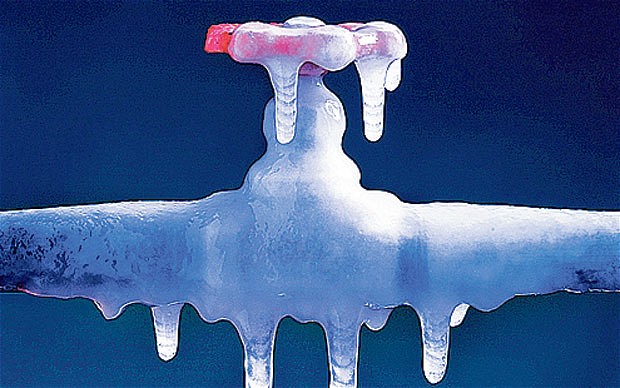
Freezing temperatures can wreak havoc on your homes plumbing, but following these essential plumbing tips for cold weather can prevent most cold weather catastrophes: Outside Faucets – The leading cause of frozen pipes is hoses left attached to outside faucets. With a hose attached, especially a hose with a sprayer, the faucet is unable to drain which makes it susceptible to freezing. It is important during the cold seasons to disconnect the hoses from the outside faucets and store them away. Make sure to drain any remaining water from the outdoor hoes bib, as well. With older faucets, insulated faucet covers are highly recommended as they trap heat that radiates from the indoor plumbing to the outdoor spigot. This trapped heat prevents the spigot from freezing over and causing a burst pipe. Modern faucets typically do not require additional protection such as faucet covers, however, it doesn’t hurt to add them as an extra precaution. Insulate Pipes– All pipes should be well insulated and may also require heat tape. Heat Tape – Insulating your pipes is necessary but it is not always enough when the temperatures stay cold for several days at a time. This is where heat tape comes in handy. Heat tape should be applied to any pipe not in a conditioned space (i.e. attic or exposed under a mobile home). Check Heat Tape – If you already have heat tape in place, check to make sure it is still functioning! A lot can happen in one year so it’s important to check if the tape is still in good condition. Cabinet Doors – When it gets extremely cold, leave under-sink cabinet doors on exterior walls open to allow for warm air to circulate. Leave Faucets Dripping – Let water drip from the faucet served by exposed pipes. Running water through the pipe, even at a trickle, helps prevent pipes from freezing. Winterize – Any vacant property, outdoor kitchen or other outdoor plumbing should be properly winterized. You can winterize pipes and faucets by draining them down or blowing them out with compressed air if necessary. We hope you’ve enjoyed these essential plumbing tips for cold weather and we look forward to sharing more plumbing tips with you in future posts!

Essential and Best Plumbing Tips for Cold Weather to Use Now Read More »

Scroll to Top