Leak Detection | Slab Leaks

The Importance of Hydrostatic Testing for Drain Lines During Real Estate Transactions: Ensuring Reliable Property Inspections and Buyer Confidence

The Importance of Hydrostatic Testing for Drain Lines During Real Estate Transactions: Ensuring Reliable Property Inspections and Buyer Confidence By Justin Carnahan, Green Country Plumbing Hydrostatic testing is an essential process in the assessment of drain lines integrity, particularly important during real estate transactions. Homebuyers often face uncertainty regarding the state of plumbing systems, and hydrostatic testing can provide clarity and assurance. This method not only assesses the functionality of drain lines but also helps identify potential issues that could lead to costly repairs. In this article, we will explore what hydrostatic testing entails, why it is critical in real estate transactions, the mechanisms by which it detects faults, and the benefits it offers to both buyers and sellers. Additionally, we will discuss common signs indicating the need for testing and the associated costs, underscoring its value for safeguarding investments. What Is Hydrostatic Testing and How Does It Assess Drain Line Integrity? Hydrostatic testing is a method used to evaluate the integrity of drain lines by evaluating their performance under controlled pressure. During the process, water is introduced into the lines to identify leaks or structural weaknesses by analyzing how they respond to pressure fluctuations. This method provides detailed insight into the condition of plumbing systems, which is vital for ensuring their reliability. By detecting issues before they escalate, hydrostatic testing offers peace of mind to both buyers and sellers in real estate transactions. Why Is Hydrostatic Testing Critical in Real Estate Sewer Line Inspections? Hydrostatic testing is critical for several reasons: For those looking to navigate the complexities of real estate transactions with confidence, hydrostatic testing is a reliable solution. Green Country Plumbing offers expert assessments in hydrostatic testing, helping ensure the integrity of surface drainage systems. How Does Drain Line Pressure Testing Detect Leaks and Faults? Drain line pressure testing utilizes hydrostatic pressure to detect leaks in plumbing systems. When pressure is applied, any discrepancies in the system can indicate faults or weak points. This pressure testing is beneficial as it can: Effective pressure testing allows property inspectors to ensure the plumbing infrastructure is robust, ultimately safeguarding investments. What Are the Differences Between Hydrostatic Testing and Sewer Camera Inspection? Hydrostatic testing and sewer camera inspections serve different but complementary purposes in plumbing assessments. Key differences include: Each method plays a vital role in developing a complete picture of a property’s plumbing health, making them both essential tools in real estate inspections. How Does Drain Line Condition Impact Property Sale and Buyer Protection? The condition of drain lines can significantly influence property sales and provide buyer protection in several ways: This proactive approach ultimately aids in building trust between buyers and sellers, enhancing the sale process’s smoothness. What Are Common Signs Indicating the Need for a Hydrostatic Drain Line Test? There are several indicators that suggest a property may require a hydrostatic drain line test, including: Being vigilant for these signs can prompt timely testing and repairs, protecting property owners and ensuring a satisfactory real estate transaction. How Much Does Hydrostatic Sewer Testing Cost and What Certification Is Required? The cost of hydrostatic sewer testing varies based on several factors, including location, property size, and specific provider rates. Typically, homeowners should expect to pay between $500 and $1,000 for a complete test, with average costs around $500. Certification from professional plumbing services is often required to ensure compliance with local regulations and industry standards. Below is a table comparing costs and certification requirements for hydrostatic testing: Service Type Cost Range Certification Needed Basic Hydrostatic Testing $500 – $1,000 Licensed Plumbing Technician Comprehensive Property Assessment $450 – $700 Certified Inspector Emergency Hydrostatic Test $800-1000 Licensed Plumbing Technician This table illustrates the variations in service and the importance of relying on certified professionals for hydrostatic testing. Hydrostatic testing, when conducted by experts like Green Country Plumbing, supports effective real estate transactions by confirming the integrity of a property’s drainage system. By leveraging hydrostatic testing, buyers can proceed with greater assurance, and sellers can present their properties with confidence, leading to smoother real estate transitions.

The Importance of Hydrostatic Testing for Drain Lines During Real Estate Transactions: Ensuring Reliable Property Inspections and Buyer Confidence Read More »

Who Should I Call for a Slab Leak in Tulsa or Sand Springs? Do I Really Need Leak Detection?

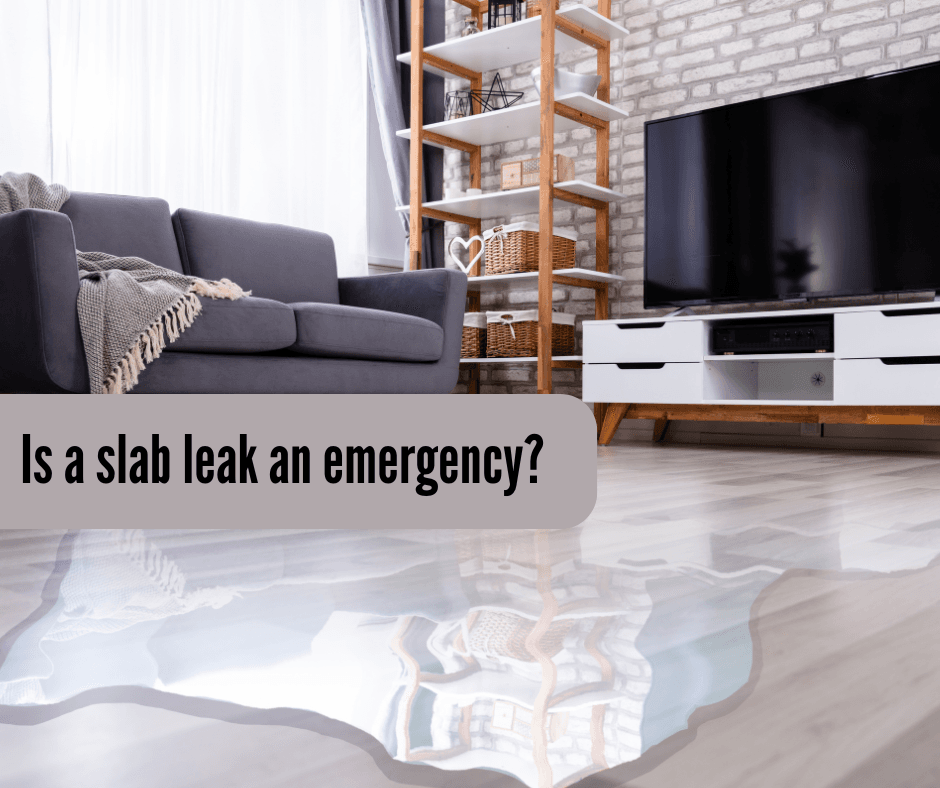
Who Should I Call for a Slab Leak in Tulsa or Sand Springs? Do I Really Need Leak Detection? A slab leak is a plumbing problem. That means your first call should be to a licensed plumber. You do not need to start by calling a leak detection company that only finds the problem and stops there. You need a plumber who can detect the leak, explain what is actually happening, and walk you through your repair options. That matters even more when the leak is under concrete, behind walls, or somewhere you cannot see with your own eyes. At Green Country Plumbing, we handle slab leak detection and general leak detection for homeowners across Tulsa and Sand Springs. We also help people make sense of what they are dealing with before the panic sets in, before the internet rabbit holes start, and before the guesswork gets expensive. If you are noticing warm spots on the floor, unexplained jumps in your water bill, low pressure, damp flooring, or the sound of running water when everything is off, it is time to call a plumber. Who should I call for a slab leak? Call a licensed plumber first. A slab leak happens when a water line or sewer line running beneath your concrete foundation develops a leak. Because the issue is rooted in your plumbing system, the smartest first call is a licensed plumber who can diagnose the source, confirm whether you are actually dealing with a slab leak, and map out the right repair path. That is the real difference. A leak detection company may be able to locate where the problem is coming from. A plumber can do that and help you move toward a solution. If it turns out the problem is something other than a slab leak, you are already talking to the right person. That saves time. That reduces confusion. That usually gets you to an actual fix faster. For homeowners in Tulsa and Sand Springs, it also means fewer handoffs, fewer appointments, and fewer chances for the story to shift every time a new company shows up at your door. Do I really need leak detection? Yes. If you want to know what is leaking, where it is leaking, and how serious it is, leak detection is not overkill. It is how you stop guessing. A lot of homeowners hear the phrase “leak detection” and picture an optional add-on service they may or may not actually need. In reality, leak detection is often the step that keeps a small plumbing issue from turning into a ripped-up floor, foundation damage, or a repair bill that grew way bigger than it had to. You may need professional leak detection if you are noticing any of these: The EPA notes that household leaks can waste more than 10,000 gallons of water per year on average, and an unexplained jump in your water bill is often one of the earliest warning signs. Leak detection helps you stop guessing and start making decisions based on what is actually happening inside your home. What are the signs of a slab leak in Tulsa or Sand Springs? Slab leaks usually show up as symptoms long before you ever see the source. Most slab leaks do not announce themselves politely. They tend to show up as strange clues that homeowners notice over time and try very hard to explain away as something less worrying. Common slab leak signs include: In Tulsa and Sand Springs, homeowners sometimes chalk these symptoms up to the weather, normal settling, or some minor plumbing quirk somewhere else in the house. Sometimes that is true. Sometimes there is a slow leak under the slab doing real damage while everyone hopes it is something cheaper. That is exactly why professional diagnosis matters. It gives you a real answer instead of an expensive guess. Why is calling a plumber better than calling a leak detection company? Because finding the problem is only half the job. If a company only detects leaks, you will still need a plumber after the diagnosis. That means one appointment to locate the issue, another to get the plumbing side explained, and another round of waiting before you find out what it actually takes to fix it. Calling a plumber first keeps everything under one roof. At Green Country Plumbing, we treat leak detection as part of the bigger picture. We are not just looking for a wet spot on a diagram. We are looking at: That matters because not every leak under or near a slab needs the same solution. Some require a targeted repair. Some call for rerouting. Some are less dramatic than the words “slab leak” make them sound. And some need attention right now. A licensed plumber helps you sort that out with honest recommendations, not a pin on a map and a new set of questions to figure out on your own. What should I do if I think I have a slab leak? Call now. Get answers before the damage makes more decisions for you. If you suspect a slab leak, do not wait around and hope it resolves itself. Start with a licensed plumber. Get the problem evaluated. Find out whether you are dealing with a slab leak, a general plumbing leak, or something else entirely. At Green Country Plumbing, we provide: If another company has already looked at it and you still have more questions than answers, that is exactly when a free second opinion makes sense. 3-2-1 Takeaway 3 Things to Remember A slab leak is a plumbing issue, so your first call should be a licensed plumber. Leak detection identifies the source, severity, and next step before the damage gets worse. Calling a plumber first usually saves time because diagnosis and repair planning stay in one place. 2 Questions Worth Asking Am I calling someone who can only find the leak, or someone who can actually help me solve it? Have I gotten a clear explanation

Who Should I Call for a Slab Leak in Tulsa or Sand Springs? Do I Really Need Leak Detection? Read More »

Home repipe Tulsa OK

Home Repipe Tulsa: Comprehensive Guide to Whole House Repiping and Cost-Effective Solutions

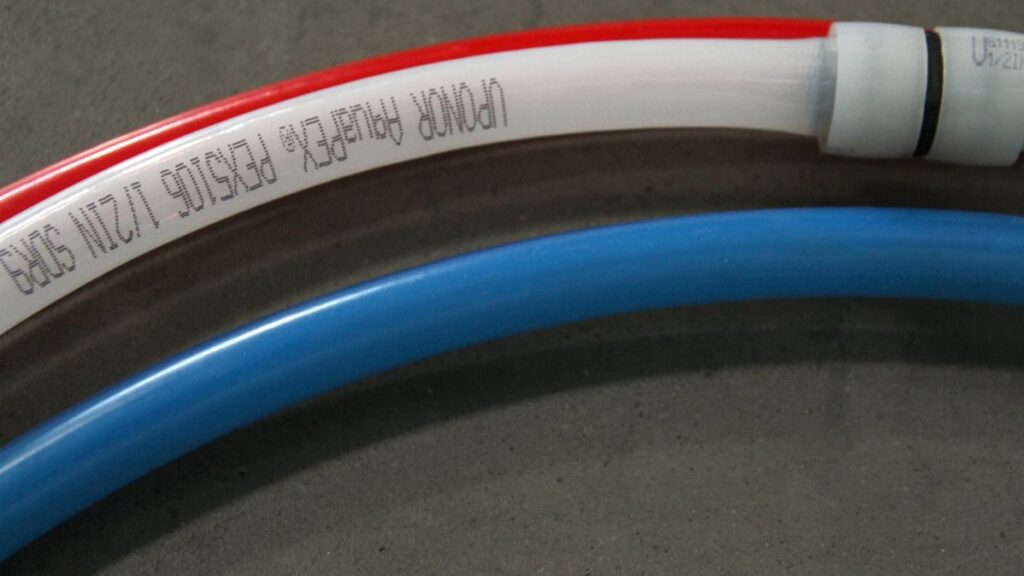
Home Repipe Tulsa: Comprehensive Guide to Whole House Repiping and Cost-Effective Solutions Homeowners in Tulsa often face plumbing challenges that can lead to significant issues if not addressed promptly. This comprehensive guide explores the essential aspects of home repiping, focusing on the signs that indicate a need for repiping, the benefits of whole house repiping, and the comparison between different piping materials. Understanding these elements can help homeowners make informed decisions about their plumbing systems. Many residents struggle with outdated plumbing that can lead to leaks, low water pressure, and water discoloration. Whole house repiping offers a solution that not only resolves these issues but also enhances the overall value and functionality of the home. This article will cover the signs indicating a need for repiping, the benefits of repiping, a comparison of PEX and copper materials, the repiping process with Green Country Plumbing, cost considerations, and why choosing Green Country Plumbing is a smart decision. What Are the Signs You Need a Home Repipe in Tulsa? Identifying the signs that your home requires repiping is crucial for maintaining a safe and functional plumbing system. Common indicators include low water pressure, discolored water, and frequent leaks. These issues often stem from aging pipes that can no longer effectively transport water, leading to potential health risks and property damage. Homeowners should be vigilant about these signs to prevent further complications. How Do Low Water Pressure and Discolored Water Indicate Pipe Issues? Low water pressure can be a frustrating experience for homeowners, often indicating underlying plumbing problems. This issue may arise from mineral buildup, corrosion, or leaks within the pipes. Discolored water, on the other hand, is a clear sign of rust or sediment in the water supply, often resulting from aging galvanized or iron pipes. Both symptoms suggest that the plumbing system is deteriorating and may require immediate attention to avoid more severe issues. What Are Common Leak and Corrosion Problems in Older Tulsa Homes? Older homes in Tulsa frequently experience leaks and corrosion due to outdated plumbing materials. Common types of leaks include pinhole leaks, which can occur in copper pipes, and larger leaks in galvanized pipes that have corroded over time. Corrosion not only leads to water loss but can also compromise the structural integrity of the plumbing system, resulting in costly repairs. Homeowners should consider a repipe if they notice these issues, as they can lead to significant water damage and increased utility bills. What Are the Benefits of Whole House Repiping for Tulsa Homeowners? Whole house repiping offers numerous advantages for homeowners, including improved water quality, increased home value, and enhanced plumbing longevity. By replacing old, deteriorating pipes with new materials, homeowners can enjoy a more reliable plumbing system that meets modern standards. How Does Repiping Improve Water Quality and Pressure? Repiping significantly enhances water quality by eliminating rust, sediment, and contaminants that may have accumulated in older pipes. This improvement leads to clearer, cleaner water that is safer for consumption. Additionally, new piping materials, such as PEX or copper, can improve water pressure, providing a more satisfying experience for homeowners when using faucets and showers. In What Ways Does Repiping Enhance Home Value and Plumbing Longevity? Investing in a whole house repipe can substantially increase a home’s market value. Prospective buyers often view updated plumbing as a major selling point, reducing the likelihood of future plumbing issues. Furthermore, new pipes are designed to last for decades, providing homeowners with peace of mind and reducing the need for frequent repairs. PEX vs. Copper Repipe Tulsa: Which Material Is Best for Your Home? When considering different piping materials, it’s helpful to understand the broader context of material substitution and its implications for plumbing systems. PEX, Copper, & Steel Pipe Material Substitution The study serves as an initial step in developing benchmarks and impact reduction strategies for MEP systems. It considers the material substitution from standard practice to PEX pipe throughout (Radiant: PEX in slab, copper and steel elsewhere; VAV: steel and copper) and for both typical single-riser pipe layout and multi-riser layout for both HVAC system types. Material Selection and System Layout to Lower Embodied Carbon of Pipe in an Office Building, M Roberts, 2016 Material Advantages Disadvantages PEX Flexible, resistant to scale and chlorine, lower installation costs Not suitable for prolonged outdoor exposure, potential for UV damage Copper Durable, long-lasting, resistant to bacteria Higher material costs, requires soldering for installation What Are the Advantages and Disadvantages of PEX Piping? PEX piping is increasingly popular due to its flexibility and resistance to scale and chlorine. This material is easier to install, often resulting in lower labor costs. However, PEX is not suitable for prolonged outdoor exposure as it can be damaged by UV rays, which limits its application in certain situations. However, it’s important to be aware of potential material interactions, as some studies highlight specific challenges with certain PEX types and brass fittings. PEX-AL-PEX & Brass Fitting Failures in Plumbing KITEC later produced a PEX sandwich with a layer of aluminum inside (PEX-AL-PEX or PE-AL-PE). In PEX installations, when water flows through the brass (brass is a copper-zinc alloy), there is a leaching of zinc from brass fittings. Plumbing/Piping/Tubing Failures, 2021 Further research also indicates that PEX pipes can experience degradation when exposed to corrosion from upstream metal components like copper and brass. PEX Pipe Degradation from Copper & Brass Corrosion ATR-FTIR analysis showed that at 55 C, PEX pipes connected to copper and brass resulted in the highest amount of metals deposited on the PEX pipe surfaces. Corrosion of upstream metal plumbing components impact downstream PEX pipe surface deposits and degradation, X Huang, 2019 How Does Copper Piping Compare in Durability and Cost? Copper piping is renowned for its durability and long lifespan, making it a traditional choice for plumbing systems. While the initial cost of copper is higher than PEX, its longevity can justify the investment. Copper is also resistant to bacteria, ensuring a safer water supply. However, the installation process can be more

Home Repipe Tulsa: Comprehensive Guide to Whole House Repiping and Cost-Effective Solutions Read More »

slab leak emergency repair plumber

Expert Slab Leak Detection & Repair: Warning Signs and Solutions for Tulsa Homeowners

If you’ve ever had that gut feeling that something’s “off” in your home’s plumbing—but couldn’t quite put your finger on it—you might be dealing with a hidden slab leak. And trust me, after more than 20 years crawling under houses, performing expert water leak detection, fixing leaks, and helping Tulsa homeowners avoid expensive damage, I can tell you: slab leaks don’t wait around politely. They get worse, fast, often requiring immediate slab leak repair. So, let’s talk about what a concrete slab leak actually is, the critical warning signs you should never ignore, and what to do if you think one might be hiding under your feet. Our team specializes in slab leak detection in Tulsa and provides comprehensive slab leak repair services. What Exactly Is an Under-Slab Leak? An under-slab leak, also known as a foundation leak or concrete slab leak, happens when a water line that runs underneath your home’s concrete foundation starts leaking. Think of your home sitting on a big concrete “slab.” All your plumbing lines—hot and cold—run underneath it. If one of those pipes cracks, corrodes, or shifts, water starts seeping into the ground (and sometimes right up into your floor). This type of plumbing leak detection requires specialized tools and expertise. These pipe leaks can start small—just a pinhole in a copper line—but because they’re hidden under solid concrete, they can go unnoticed for weeks or even months. During that time, they quietly erode soil, damage your foundation, and drive your water bill through the roof. This is why professional leak detection services are crucial. One homeowner I helped in Jenks had no visible water anywhere, but their monthly water bill doubled out of nowhere. Turned out they had a slow, steady hot-water line leak under the slab. The warm water had been heating their tile floor like an unwanted radiant system for weeks, highlighting the need for prompt slab leak detection. Why Slab Leaks Are a Big Deal and Require Professional Repair Unlike a leaky faucet, you can’t just tighten a nut or swap a washer to fix a slab leak. Because it’s beneath your foundation, the water doesn’t just waste away quietly—it weakens the ground supporting your home. This can lead to significant structural issues, making professional slab leak repair essential for foundation leak prevention. Over time, this can cause foundation cracks, uneven flooring, and even structural damage. I’ve seen homes in Sand Springs where a simple slab leak turned into a major foundation repair because it went undetected for too long. Our leak specialists are trained to prevent such outcomes. The good news? Catching it early with expert slab leak detection can save you thousands in potential underground leak repair and foundation costs. The Most Common Warning Signs of a Slab Leak If you notice any of these, don’t shrug them off. They’re your home’s way of saying, “Hey—something’s not right,” and you likely need expert leak detection. 1. Unexplained Increase in Your Water Bill If your water bill suddenly spikes but your usage hasn’t changed, that’s often the first red flag for a residential slab leak. You’re not filling a pool, you’re not running extra laundry—but that meter’s spinning like crazy. This is a classic sign requiring immediate water bill increase detection and investigation. A Tulsa homeowner I recently helped had a $200 water bill for two months in a row before calling us. We ran a pressure test and found a slab leak under their master bath. Once repaired, their bill dropped back to normal, thanks to our precise slab leak detection in Tulsa. 2. The Sound of Running Water (When Everything’s Off) If you hear a faint “whoosh” or “hiss” of water running inside walls or floors when no one’s using a tap, that’s a classic sign of a hidden leak. Here’s an easy test: Turn off everything that uses water—faucets, ice maker, washer, etc.—and listen closely near the floor. If you still hear running water, call a Tulsa plumber specializing in plumbing leak detection. That steady sound often means water is escaping somewhere unseen, indicating the need for leak detection services. 3. Warm or Damp Spots on Your Floor Have you ever stepped barefoot on your tile and thought, “That’s weird—why is that spot warm?” That’s not a cozy surprise; it’s usually a leaking hot-water line under the slab, a clear sign for slab leak detection. In some cases, you might even feel slight dampness in carpeted areas or see dark spots on flooring, pointing to a potential foundation leak. 4. Moldy or Musty Odors When water leaks under a slab, moisture doesn’t stay put. It seeps up, creating the perfect environment for mold and mildew. If your house starts smelling musty—or you notice persistent dampness near baseboards or closets—there’s a good chance that under-slab leak has been brewing for a while, requiring prompt leak repair services. 5. Low Water Pressure If your water pressure suddenly drops without any known cause, it could be that a portion of your supply line is leaking before it ever reaches your faucets. This is a common indicator for water leak detection. Sometimes this is a pressure regulator issue, but when paired with other signs—like warm floors or high bills—it points toward a concrete slab leak. 6. Foundation Cracks or Shifting Floors Water under the slab doesn’t just vanish—it erodes soil and compromises your foundation’s stability. You might notice cracks in your floors, doors that suddenly stick, or baseboards separating from walls. Those are symptoms of the ground shifting beneath your home, often due to an undetected foundation leak that needs slab leak repair. 7. Pooling Water Around the Exterior of Your Home If you consistently find puddles or damp soil along the outside edges of your foundation (especially during dry weather), it could mean water is escaping from underneath and finding its way out. This is a strong sign for immediate slab leak detection. What to Do if You Suspect a Slab Leak If any of these warning signs

Expert Slab Leak Detection & Repair: Warning Signs and Solutions for Tulsa Homeowners Read More »

Green Country Plumbing: Best For Leak Detection In Sand Springs

In the bustling city of Sand Springs, where plumbing issues can arise unexpectedly, Green Country Plumbing stands out as the undisputed leader in leak detection Sand Springs. With a commitment to excellence and innovation, we take pride in our advanced techniques. One of our techniques utilizes a gas on tough to detect leaks. In this blog post, we’ll explore the importance of leak detection, the advantages of using nitrogen, and why Green Country Plumbing is the go-to choice for handling plumbing emergencies in Sand Springs. The Significance of Leak Detection Sand Springs Leak detection Sand Springs is a critical aspect of maintaining a healthy plumbing system. Undetected leaks can lead to severe damage, skyrocketing water bills, and potential health hazards. Green Country Plumbing understands the urgency of identifying and fixing leaks promptly, which is why we have invested in cutting-edge technologies to ensure the most accurate and efficient leak detection services in Sand Springs. Technique Secret: The Nitrogen Advantage When it comes to tough leaks that may be challenging to identify, Green Country Plumbing relies on nitrogen to get the job done right the first time. Nitrogen is an inert gas that has proven to be a game-changer in leak detection. Unlike other detection methods, such as traditional pressure tests, nitrogen is non-reactive and won’t interfere with the plumbing system. This makes it an ideal choice for pinpointing elusive leaks in pipes, fittings, and other plumbing components. How Does Nitrogen Work for Leak Detection? Why Green Country Plumbing Stands Out: With our unwavering commitment to superior service and advanced technology, Green Country Plumbing has earned its reputation as the best in Sand Springs for leak detection. Our team of skilled technicians is equipped with the latest tools and expertise to address any plumbing emergency promptly and effectively. In Sand Springs, leak detection is a serious matter, and Green Country Plumbing takes pride in being the city’s foremost expert in this field. By utilizing nitrogen for tough leaks, we ensure unparalleled accuracy and efficiency in identifying and resolving plumbing issues. Trust Green Country Plumbing for all your leak detection needs, and experience the peace of mind that comes with choosing the best in the business.

Green Country Plumbing: Best For Leak Detection In Sand Springs Read More »

Scroll to Top