
The Importance of Hydrostatic Testing for Drain Lines During Real Estate Transactions: Ensuring Reliable Property Inspections and Buyer Confidence
By Justin Carnahan, Green Country Plumbing
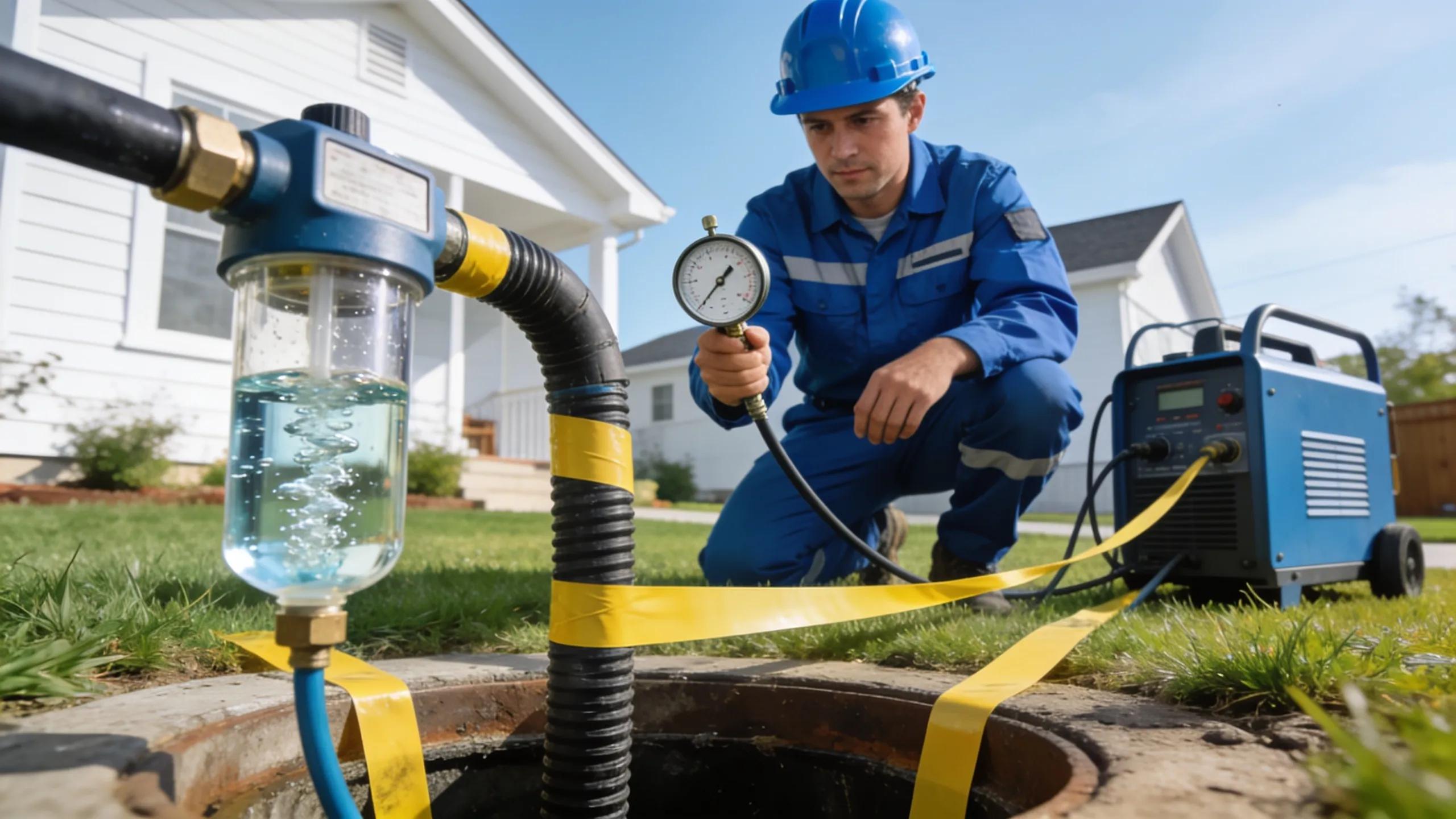
Hydrostatic testing is an essential process in the assessment of drain lines integrity, particularly important during real estate transactions. Homebuyers often face uncertainty regarding the state of plumbing systems, and hydrostatic testing can provide clarity and assurance. This method not only assesses the functionality of drain lines but also helps identify potential issues that could lead to costly repairs. In this article, we will explore what hydrostatic testing entails, why it is critical in real estate transactions, the mechanisms by which it detects faults, and the benefits it offers to both buyers and sellers. Additionally, we will discuss common signs indicating the need for testing and the associated costs, underscoring its value for safeguarding investments.
What Is Hydrostatic Testing and How Does It Assess Drain Line Integrity?
Hydrostatic testing is a method used to evaluate the integrity of drain lines by evaluating their performance under controlled pressure. During the process, water is introduced into the lines to identify leaks or structural weaknesses by analyzing how they respond to pressure fluctuations. This method provides detailed insight into the condition of plumbing systems, which is vital for ensuring their reliability. By detecting issues before they escalate, hydrostatic testing offers peace of mind to both buyers and sellers in real estate transactions.
Why Is Hydrostatic Testing Critical in Real Estate Sewer Line Inspections?
Hydrostatic testing is critical for several reasons:
- Ensures Property Reliability: This testing confirms that there are no leaks in the sewer lines, which could lead to disastrous outcomes if not addressed.
- Identifies Potential Issues: Early detection of plumbing issues prevents future complications and expenses for homeowners.
- Enhances Buyer Confidence: Having a solid report from a hydrostatic test can assure potential buyers that a property is a sound investment.
For those looking to navigate the complexities of real estate transactions with confidence, hydrostatic testing is a reliable solution. Green Country Plumbing offers expert assessments in hydrostatic testing, helping ensure the integrity of surface drainage systems.
How Does Drain Line Pressure Testing Detect Leaks and Faults?
Drain line pressure testing utilizes hydrostatic pressure to detect leaks in plumbing systems. When pressure is applied, any discrepancies in the system can indicate faults or weak points. This pressure testing is beneficial as it can:
- Provide Specific Indicators of Leaks: By measuring the pressure decline over time, professionals can pinpoint where leaks are occurring.
- Identify Common Faults: It can unveil issues such as cracks, breaks, or misalignments in the drainage system, which may otherwise remain undetected.
Effective pressure testing allows property inspectors to ensure the plumbing infrastructure is robust, ultimately safeguarding investments.
What Are the Differences Between Hydrostatic Testing and Sewer Camera Inspection?
Hydrostatic testing and sewer camera inspections serve different but complementary purposes in plumbing assessments. Key differences include:
- Methodologies: Hydrostatic testing evaluates pressure integrity, while sewer camera inspections provide visual insights into the condition of pipes.
- Purpose and Outcomes: Hydrostatic tests quantify issues through pressure evaluation, focusing on leaks, while camera inspections reveal the state of the internal pipeline condition, such as blockages or deterioration.
- When to Use Each Method: Hydrostatic testing is advantageous when leaks are suspected, while camera inspections provide critical visual data for diagnosing complex plumbing issues.
Each method plays a vital role in developing a complete picture of a property’s plumbing health, making them both essential tools in real estate inspections.
How Does Drain Line Condition Impact Property Sale and Buyer Protection?
The condition of drain lines can significantly influence property sales and provide buyer protection in several ways:
- Impact on Property Valuation: Properties with robust drainage systems tend to have higher market values compared to those with potential plumbing issues.
- Negotiation Leverage in Sales: A hydrostatic test that identifies issues can give buyers a bargaining chip to negotiate repair costs or lower prices if necessary.
- Importance of Inspections: Comprehensive inspections supported by hydrostatic testing ensure buyers are protected from hidden expenses related to plumbing repairs after purchase.
This proactive approach ultimately aids in building trust between buyers and sellers, enhancing the sale process’s smoothness.
What Are Common Signs Indicating the Need for a Hydrostatic Drain Line Test?
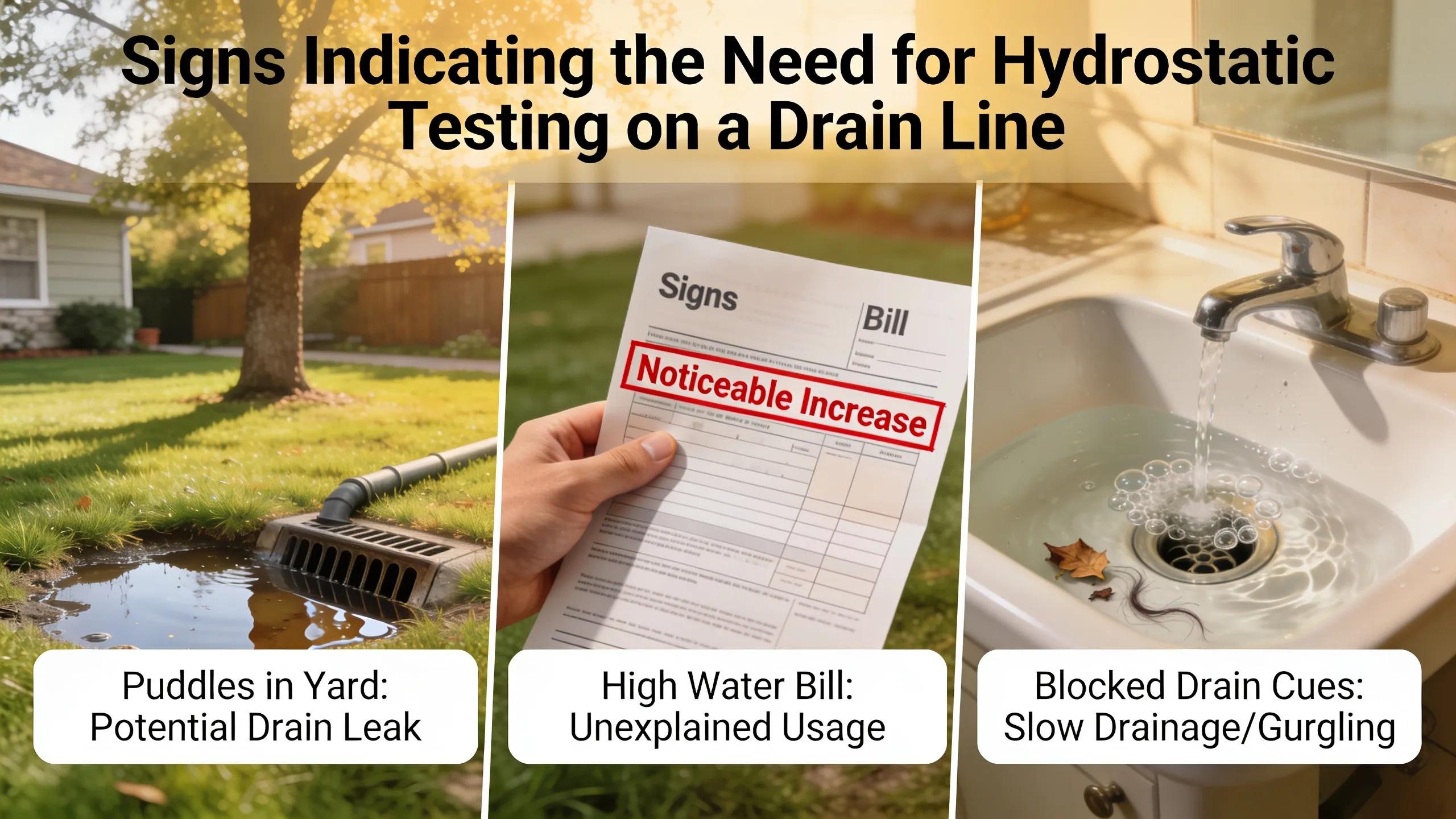
There are several indicators that suggest a property may require a hydrostatic drain line test, including:
- Frequent Clogs: Recurring drainage issues can indicate underlying leaks or blockages.
- Soggy Areas in the Yard: Puddles or excessive moisture around sewer lines can signal leaks.
- Unexplained Increases in Water Bills: Rising costs can suggest water escaping due to leaks in the drain lines.
- Foul Odors: Unpleasant smells near drain lines could indicate sewage leaks.
Being vigilant for these signs can prompt timely testing and repairs, protecting property owners and ensuring a satisfactory real estate transaction.
How Much Does Hydrostatic Sewer Testing Cost and What Certification Is Required?

The cost of hydrostatic sewer testing varies based on several factors, including location, property size, and specific provider rates. Typically, homeowners should expect to pay between $500 and $1,000 for a complete test, with average costs around $500. Certification from professional plumbing services is often required to ensure compliance with local regulations and industry standards.
Below is a table comparing costs and certification requirements for hydrostatic testing:
| Service Type | Cost Range | Certification Needed |
|---|---|---|
| Basic Hydrostatic Testing | $500 – $1,000 | Licensed Plumbing Technician |
| Comprehensive Property Assessment | $450 – $700 | Certified Inspector |
| Emergency Hydrostatic Test | $800-1000 | Licensed Plumbing Technician |
This table illustrates the variations in service and the importance of relying on certified professionals for hydrostatic testing. Hydrostatic testing, when conducted by experts like Green Country Plumbing, supports effective real estate transactions by confirming the integrity of a property’s drainage system. By leveraging hydrostatic testing, buyers can proceed with greater assurance, and sellers can present their properties with confidence, leading to smoother real estate transitions.