Sarah

Sarah is the creative force behind Green Country Plumbing’s brand strategy, content creation, and customer communication. With 5 years of industry experience, she blends practical plumbing knowledge with sharp marketing skills—writing blog posts, running campaigns, and crafting messaging that actually connects. As both a plumbing apprentice and office admin, she brings a grounded, real-world perspective to everything she creates. Outside of the office, she’s a wife, mom of two teens, and a fitness instructor who brings serious energy to every class she teaches. Whether she’s building brand trust or breaking a sweat, Sarah is all-in. Her work fuels the voice of Green Country Plumbing across Sand Springs, Tulsa, and beyond—making her a key part of what keeps this team moving forward.

Tulsa Repiping Services: Expert Solutions for Home Plumbing Problems

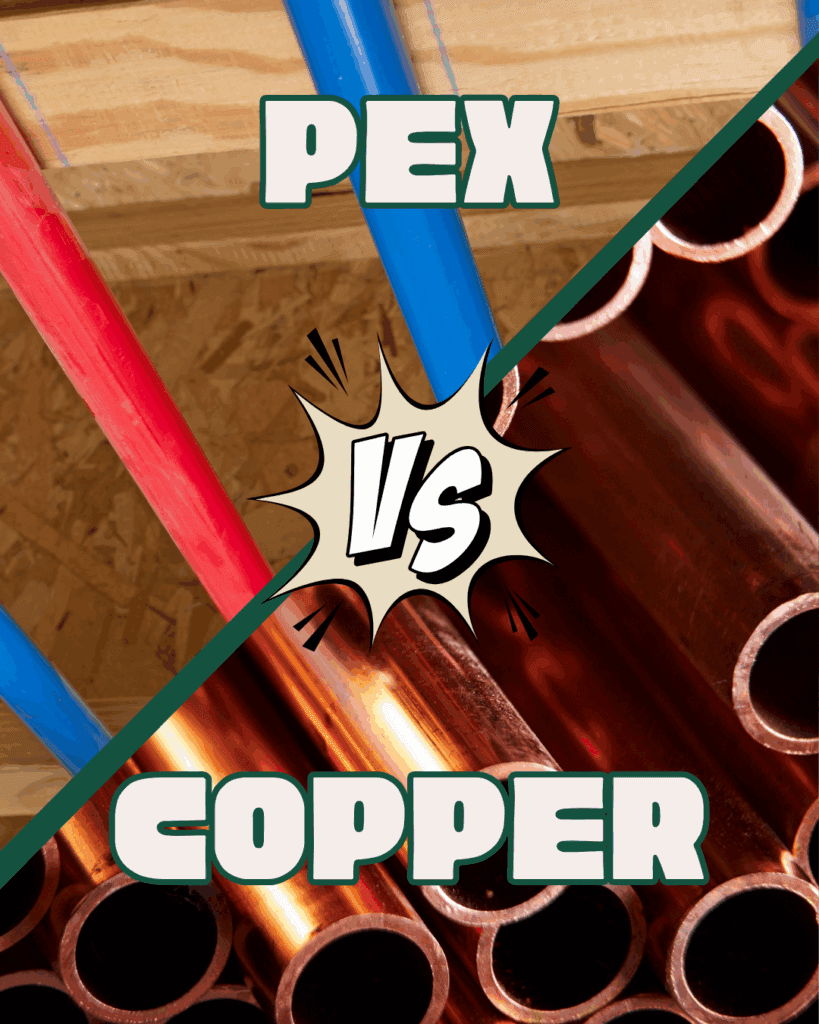
Repiping offers a permanent fix for persistent leaks, discolored water, and weak water pressure by swapping out old pipes for high-quality PEX throughout Tulsa homes. This guide walks homeowners through the key signs that indicate a need for repiping, the advantages of PEX plumbing, the step-by-step repipe process, comparisons of different materials, cost and financing options, emergency services, and why Green Country Plumbing is Tulsa’s go-to specialist for repipes. You’ll learn when it’s time to take action, how PEX improves water safety and your home’s value, and how to book a complimentary estimate to get your plumbing back in reliable working order. What Are the Signs You Need Repiping in Tulsa? Repiping becomes essential when your current pipes show clear signs of failure, which can compromise your water quality and overall plumbing system performance. Catching these indicators early helps prevent further damage and ensures a smooth transition to durable PEX piping. How Do Recurring Pipe Leaks Indicate the Need for Repiping? Recurring leaks happen when older or corroded pipes can no longer hold water, leading to stains, mold growth, and damage to your home’s structure. When multiple patch repairs are needed, it’s a strong signal that the entire system is deteriorating and only a full repipe can effectively restore consistent water flow and prevent future leaks. Why Does Discolored or Rusty Water Signal Pipe Corrosion? Water that looks rusty or brown is a sign of oxidized metal inside corroded pipes, which can introduce iron particles into your water and pose potential health risks. Replacing your old pipes with PEX eliminates the source of corrosion, ensuring clear, contaminant-free water and preventing mineral buildup that can shorten the lifespan of your fixtures. How Does Low Water Pressure Relate to Aging Pipes? Low water pressure is often caused by mineral deposits and scale that gradually narrow the inside of pipes over years of use. Swapping out old iron, galvanized, or polybutylene pipes for smooth-bore PEX pipes will restore full water flow capacity, making your showers stronger and improving the performance of all your fixtures. What Are the Risks of Outdated Pipe Materials Like Galvanized or Polybutylene? Making the switch to PEX effectively eliminates these risks, giving you greater peace of mind. What Are the Benefits of Repiping for Tulsa Homeowners? Repiping with PEX offers homeowners cleaner water, improved water pressure, quieter operation, and increased property value by installing flexible, durable piping throughout the entire plumbing system. How Does Repiping Improve Water Quality and Safety? PEX piping is resistant to corrosion and does not leach harmful contaminants like lead or iron into your water. This ensures your water is crystal-clear and tastes and smells fresh, providing a healthier water supply for drinking and cooking. Environmental Protection Agency (EPA), Safe Drinking Water Act (2023) In What Ways Does Repiping Enhance Water Pressure? New PEX pipes have consistent internal diameters that are free from scale and blockages, allowing water to flow at its full capacity. This means you’ll enjoy stronger showers, faster filling of appliances, and reliable performance in homes with multiple bathrooms, without experiencing frustrating pressure drops. How Does Repiping Increase Home Value and Longevity? Installing PEX piping assures potential buyers that your home has a modern, reliable plumbing system, which can boost your resale value. With a typical lifespan of 30–50 years, PEX minimizes the need for future repairs and signals long-term durability to prospective homeowners. Why Is PEX Preferred for Durability and Quiet Plumbing? PEX is flexible, resistant to scale buildup, and produces minimal noise from thermal expansion. Unlike rigid materials, PEX can bend around obstacles, reducing the need for fittings and potential leak points, providing quiet operation and reliable longevity. How Does the Repiping Process Work in Tulsa Homes? Green Country Plumbing follows a systematic process designed to minimize disruption as we replace your old plumbing with PEX, ensuring you’re informed and confident every step of the way. What Happens During the Initial Plumbing Inspection and Assessment? A certified technician will thoroughly inspect your existing pipes, the locations of your fixtures, potential access points in your walls, and your current water quality. This detailed inspection helps us define the project scope, identify any potential challenges, and establish a clear baseline for planning your repipe, which leads to precise project estimates. How Is a Customized Repiping Plan Developed and Permits Managed? Green Country Plumbing creates a detailed blueprint for your repipe, outlining the new pipe routes, necessary materials, and the project timeline. We handle securing all local permits and coordinate with Tulsa building authorities to ensure full compliance with building codes, preventing delays and guaranteeing a smooth start to your project. What Should Homeowners Expect During Installation and Wall Repair? Our skilled technicians will carefully remove your old piping and install the new PEX lines using professional crimping and connection techniques. We’ll contain work areas to minimize dust and disruption. Once the plumbing work is complete, our crews will patch and repaint your drywall to restore your walls to their original condition before cleaning up the work area. How Does Post-Installation Cleanup and Warranty Support Work? After completing the installation, our teams will remove all debris, vacuum work areas, and sanitize any surfaces they touched during the service. Green Country Plumbing provides a transferable lifetime warranty on our PEX piping workmanship, along with manufacturer warranties on all materials, ensuring your ongoing protection and peace of mind. How Does PEX Compare to Other Pipe Materials Like Copper in Tulsa? Comparing PEX and copper helps highlight key differences in durability, heat resistance, cost, and longevity—all crucial factors for Tulsa homeowners when selecting a repiping solution. Before we get into the details, take a look at this side-by-side comparison of PEX and copper: Material Durability Cost Factor Typical Lifespan PEX Flexible, resistant to scale and chlorine; can be damaged by rodents or UV exposure Lower material cost; quicker installation 30–50 years Copper Highly resistant to corrosion and UV rays; fire-proof Higher initial investment; stable pricing 70+ years This comparison clearly shows why PEX often proves

Tulsa Repiping Services: Expert Solutions for Home Plumbing Problems Read More »

tankless Tulsa water heaters

Unlock Endless Hot Water: Why Tulsa Homes Are Switching to Tankless Heaters (and How Filtration Protects Them)

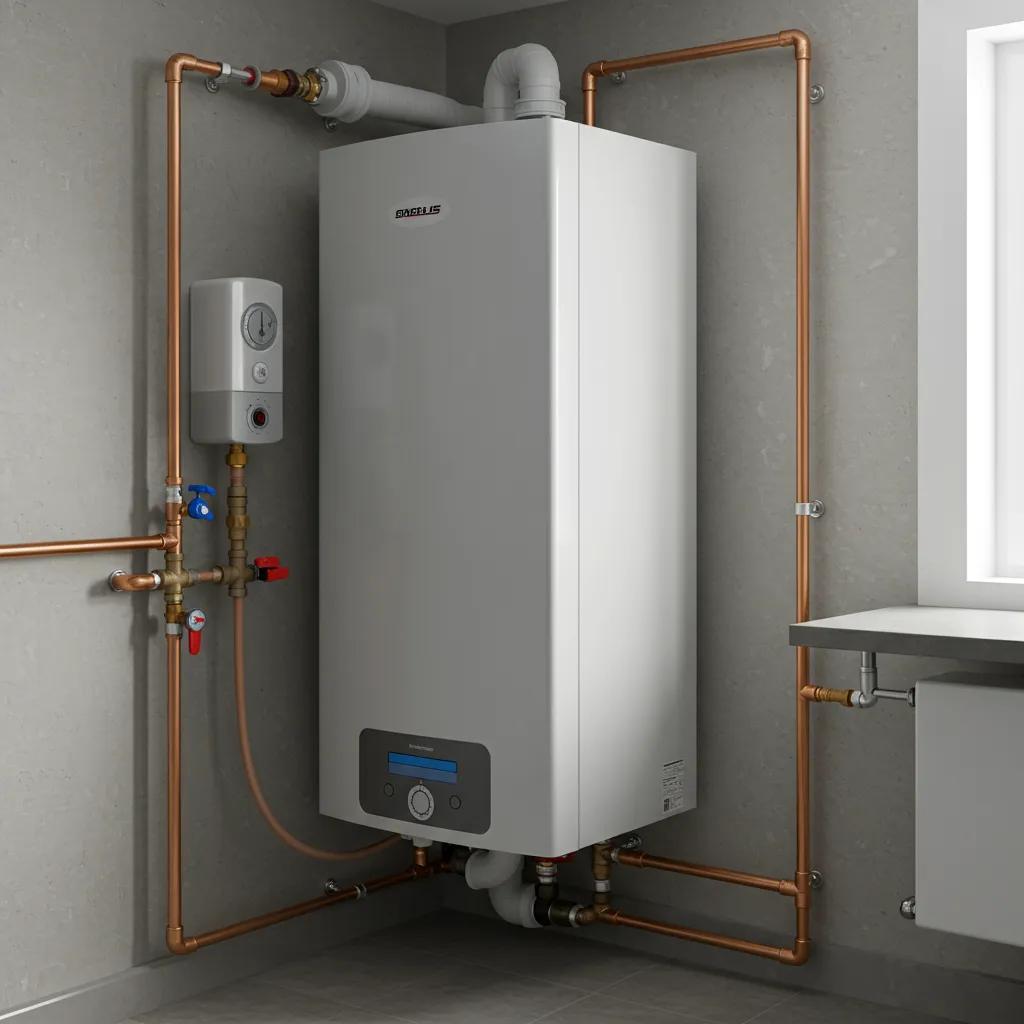
Upgrade your home with a tankless water heater and say goodbye to energy waste, hello to an endless supply of hot water, and reclaim precious utility space. Plus, with the right filtration, you can keep your system running at its best, even in Tulsa’s hard-water conditions. This guide will show you: By the end of this, you’ll be ready to make an informed decision about an energy-efficient upgrade that safeguards your investment and delivers reliable, space-saving hot water without any unpleasant surprises. What Makes Tankless Water Heaters So Energy Efficient? Tankless water heaters are designed to heat water only when you need it, meaning no more wasted energy keeping a large tank hot. This smart approach can boost your energy efficiency by up to 30% compared to traditional storage tanks. Their on-demand heating elements kick in precisely when you turn on a faucet, reducing wasted fuel or electricity and leading to lower utility bills all year round in Tulsa. Understanding these efficiency gains makes it clear why tankless models are a smart choice for both your wallet and the environment. Tankless Water Heater Energy Efficiency Explained Tankless water heaters significantly cut down on energy use compared to older tank models. They only heat water when you actually need it, eliminating the energy lost from keeping a tank of water hot all the time. This on-demand heating can lead to substantial savings on your energy bills. U.S. Department of Energy This information supports the article’s points about the energy-saving benefits of tankless water heaters. How Do Tankless Water Heaters Outperform Traditional Models in Energy Savings? Tankless water heaters save energy by only activating when hot water is being used. Traditional tanks, on the other hand, constantly heat and reheat a large volume of water, 24/7. This means tankless units eliminate “standby heat loss”—the energy wasted keeping stored water warm. Over the course of a year, homeowners can see: These savings translate directly into lower operating costs and a smaller carbon footprint, making them a financially sound and environmentally conscious choice. What Kind of Savings Can You Expect on Utility Bills with Tankless Systems? When you swap out an old tank water heater for a tankless system, you can typically expect to save between $44 and $100 annually on your utility bills, depending on your energy source and how much hot water you use. Natural gas models usually offer greater savings than electric ones, and in a typical Tulsa household, the system can pay for itself in 5 to 10 years. To estimate your specific savings, consider comparing: Model Type UEF Rating Estimated Annual Savings Gas Tankless 0.82–0.98 $75–$100 Electric Tankless 0.95–0.99 $44–$60 Standard Gas Tank 0.58–0.70 Baseline Standard Electric Tank 0.90–0.94 Baseline These figures clearly show how improved efficiency directly leads to lower energy costs, making the switch a smart financial move. How Do Energy Star Certifications and Rebates Impact Tankless Water Heater Savings? Choosing an Energy Star–certified tankless unit means you’re getting a product that meets strict efficiency and performance standards. These units often qualify for federal tax credits and local utility rebates, which can cover 10–30% of the purchase price. In Tulsa, you might find rebate programs from local utilities or state incentives that can knock several hundred dollars off the initial cost, helping you see a return on your investment much faster and boosting your long-term savings. How Do Tankless Water Heaters Deliver Endless Hot Water? A tankless water heater provides a continuous flow of hot water by instantly heating the cold water that passes through its high-efficiency heat exchanger as soon as you turn on a faucet. With precise temperature controls and powerful heating elements, it maintains your desired temperature without needing to store a large volume of water. This means you get an uninterrupted supply of hot water, eliminating the dreaded “cold shower” when the tank runs out—perfect for busy Tulsa households with multiple hot water demands. What’s the Science Behind Instant Hot Water? The magic of instant hot water comes from a specially designed heat exchanger, usually a coil, through which incoming water flows. When water moves through it, the unit’s burners ignite or electric elements activate, rapidly heating the water to your set temperature. Smart sensors monitor the water flow and temperature, allowing the system to adjust its power output in real-time to ensure a consistent hot water temperature, no matter how many taps are running. How Do You Choose the Right Size Tankless Water Heater for Your Home? To get the best performance, you need to match the unit’s gallons-per-minute (GPM) capacity to your home’s peak hot water usage. Figure out the total GPM needed when multiple fixtures are running simultaneously (e.g., two showers at 2.5 GPM each plus a dishwasher at 1.5 GPM equals 6.5 GPM). Then, select a tankless unit that can meet or exceed that GPM requirement, considering Tulsa’s average groundwater temperature (around 56 °F). Proper sizing ensures you’ll always have enough hot water without any temperature drops. What Are the Benefits for Busy Households and Multiple Fixture Use? Families with high hot water demands will love the capacity of tankless heaters to supply multiple fixtures at once—think showers, sinks, and appliances—without running out. Advanced models with condensing heat exchangers can handle high flow rates (up to 7.5–8 GPM) and recover quickly, ensuring everyone gets consistent hot water during busy mornings or weekend routines. Why Is Space Saving a Major Plus for Tankless Water Heaters? Tankless water heaters ditch the bulky tanks, mounting compactly on walls or even outdoors, freeing up to 15 square feet of valuable floor space. Their small footprint means they can be installed in closets, utility rooms, or on exterior walls, giving you more room for storage, laundry appliances, or a home workshop. For Tulsa homes and apartments where space is at a premium, this design flexibility is a game-changer, maximizing your usable square footage and simplifying renovation projects. How Does the Compact, Wall-Mounted Design Give You More Space? Mounted at a convenient height, tankless

Unlock Endless Hot Water: Why Tulsa Homes Are Switching to Tankless Heaters (and How Filtration Protects Them) Read More »

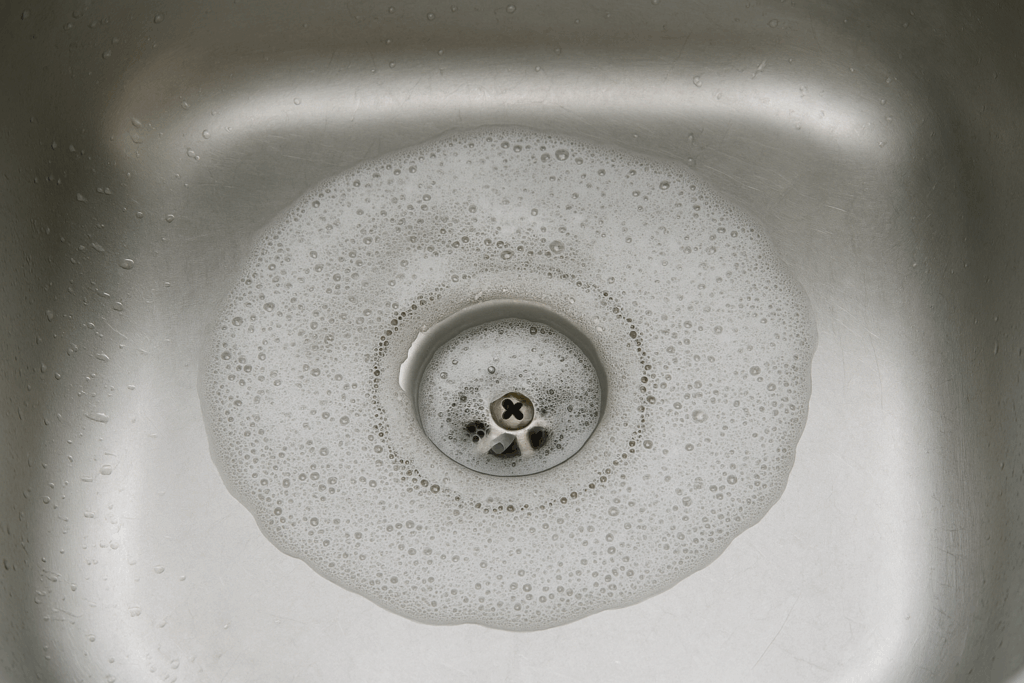
Close-up of a slow-draining sink with hair and soap residue, highlighting plumbing issues

Why Overlooking a Slow Drain Could Be Your Biggest Plumbing Mistake: Risks, Causes, and Solutions

At first glance, a slow drain might seem like a minor inconvenience. But dismissing this issue can lead to a domino effect of clogged pipes, structural damage, and health risks, all while driving up repair costs. In this comprehensive guide, we’ll explore what constitutes a slow drain, why it’s often overlooked, the hidden dangers of neglect, common culprits behind clogs, DIY solutions versus professional help, and preventative maintenance tips. By the end, you’ll see how timely intervention with expert plumbing services or a quick “plumber near me” search can safeguard your home, save money, and prevent a simple blockage from spiraling into a crisis. Understanding Slow Drains: Why They’re Often Ignored A slow drain occurs when water drains sluggishly due to partial blockages or minor system issues, allowing debris like hair, soap scum, and grease to build up over time. Homeowners often underestimate slow drains because water still drains, albeit slowly, creating a false sense of security that no major action is needed. Recognizing this deceptive symptom is crucial to understanding the severe consequences that can follow. What Causes Slow Drains in Plumbing Systems? Slow drains develop when solid particles, oils, or foreign objects stick to pipe walls, narrowing the passage and reducing flow. As the pipe diameter decreases, water velocity drops, allowing debris to settle more easily and accelerate the clog. For instance, shampoo residue in a bathroom sink can combine with hair fibers to form a stubborn film that resists simple flushing and eventually traps more dirt. A gentle reduction in water flow in a shower drain signals a developing blockage that, if left untreated, can escalate from a minor annoyance to a full-scale pipe blockage. Why Do People Underestimate Slow Drains? Homeowners often view slow drainage as a minor inconvenience rather than a warning sign of blocked pipes, assuming that occasional plunging or hot water will suffice. This misconception delays proper diagnosis, allowing the obstruction to solidify, corrode pipes, or invite invasive tree roots. Misjudging the problem’s severity reinforces inaction, which compounds damage and repair complexity. This false sense of manageability underscores why early detection and corrective action are essential. Spotting Early Signs of a Slow Drain Water pooling around a sink or shower drain, gurgling noises in pipes, and faint sewer-like odors are telltale signs of a slow drain. Temperature fluctuations also matter: when hot water drains more slowly, mineral deposits may be lining the pipes, further reducing flow. Spotting these symptoms early allows for targeted cleaning before a minor clog becomes an emergency. Recognizing these warning signs points directly to the hidden dangers of ignoring a slow drain. The Hidden Dangers of Ignoring a Slow Drain Ignoring a slow drain triggers multiple failure mechanisms—pressure buildup, corrosion, microbial growth—that compound over time. Understanding each risk factor reveals why prompt action is critical. The Dangers of Ignoring Slow Drains Overlooking slow drains can lead to a cascade of problems, including increased internal pipe pressure, corrosion, and potential pipe failure. This can result in water damage to floors, walls, and ceilings, often requiring extensive restoration efforts. Environmental Protection Agency This highlights the importance of timely intervention to prevent costly repairs and protect property. How Slow Drains Lead to Worsening Clogs and Complete Blockages Partial blockages trap additional debris, increasing internal pressure and forming compacted masses that resist plunging or chemical cleaners. In turn, clogs migrate deeper into the system, targeting the P-trap or main sewer line, where removal becomes costly and invasive. How Slow Drains Cause Pipe Damage and Corrosion Trapped water mixed with acidic residues attacks pipe material, causing pitting, cracks, and leaks. Elevated internal pressure from a backlog of water can burst weakened sections, requiring full pipe replacement rather than simple snaking. How Slow Drains Result in Water Damage and Structural Issues When a partially blocked drain forces water into unintended areas—under floors, behind walls—it can soak joists, drywall, and insulation. Over days or weeks, moisture undermines structural integrity and fosters mold, leading to extensive restoration costs and compromised home safety. Cost Comparison: Neglect vs. Early Intervention Entity Attribute Value Minor Snaking Average Cost $100–$200 DIY Chemical Cleaner Effectiveness 30–50% for hardened buildup Pipe Burst Repair Average Cost $1,200–$3,500 Water Damage Restoration Typical Cost $3,000–$7,000 Early snaking or hydro jetting by qualified professionals typically costs under $500, while delayed repairs can escalate into multi-thousand-dollar projects. Health Hazards from Neglected Slow Drains Stagnant water behind blockages breeds mold, mildew, and bacteria. These pathogens release allergens and respiratory irritants, posing risks for asthma, allergies, and infections. A slow drain essentially becomes a breeding ground for harmful microorganisms. Exposure to these contaminants highlights why overlooked clogs threaten both property and wellbeing. Why Slow Drains Produce Foul Odors and Unsanitary Conditions Decaying organic matter in stagnant water emits hydrogen sulfide and ammonia gases, resulting in persistent sewage-like odors. Gurgling water carries these smells through vents and faucets, creating an unsanitary environment that no amount of air freshener can mask. This malodor serves as an unmistakable sign that professional drain cleaning or advanced diagnostics may be required. How Repair Costs Escalate When Slow Drains Are Ignored Delaying repair transforms a simple drain snake job into emergency calls, pipe replacement, mold remediation, and drywall reconstruction. Emergency plumbing services carry premium rates, often up to double standard fees, driving costs exponentially higher. Sewer Line Complications from a Slow Drain A slow branch drain can signal a main sewer line compromise. When roots infiltrate or mineral buildup solidifies at the main line, the entire plumbing network slows, risking backups in multiple fixtures and sewage overflows that endanger property value and occupant health. Fully blocked sewer lines demand trenchless repair or excavation—services that can exceed $5,000 in many regions. Common Causes of Slow Drains Understanding the primary clog culprits helps homeowners prevent future issues. Here are the six most frequent sources: Causes of Slow Drains Slow drains are frequently caused by hair and soap scum, grease, oil, food particles, foreign objects, tree root intrusion, mineral buildup, and aging pipes. These factors contribute to the

Why Overlooking a Slow Drain Could Be Your Biggest Plumbing Mistake: Risks, Causes, and Solutions Read More »

The $500 Device That Could Save You $50,000: How Automatic Water Shut Off Valves Protect Your Home and Finances

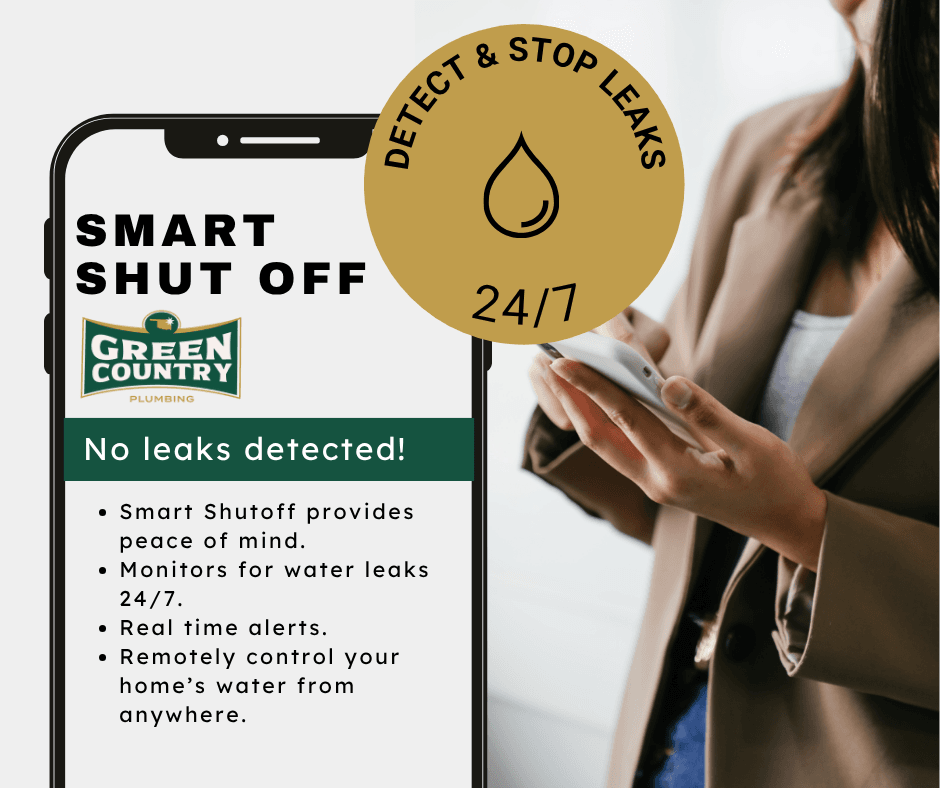
The $500 Device That Could Save You $50,000: How Automatic Water Shut Off Valves Protect Your Home and Finances Every year, hidden plumbing leaks cost homeowners an average of $11,650 in restoration bills, yet a $500 automatic water shut-off valve and whole-house leak detection system can intercept micro-leaks before they cascade into catastrophic damage. In this guide, you’ll discover what smart water leak detection systems and automatic shut-off valves are, the true cost of water damage, how this device delivers significant savings and peace of mind, how to choose and install the right system, smart home integration tips, and real-world scenarios where prevention pays off. By the end, you’ll understand how investing in home water leak protection repays itself many times over. What Is a Smart Water Leak Detection System and Automatic Shut Off Valve? A smart water leak detection system with an automatic shut-off valve combines sensors, connectivity, and actuation to monitor water flow and moisture, shutting off your main supply instantly when anomalies occur. This integrated solution prevents flood damage by detecting leaks as small as a drop per minute and closes the valve within seconds. For example, flow-based sensors can spot a continuous drip behind a wall and trigger an app alert plus valve closure before structural damage begins. Understanding this technology lays the groundwork for exploring how it works and what you need for comprehensive home coverage. How Do Smart Water Leak Detectors and Shut Off Valves Work? Smart leak detectors use moisture, flow, pressure, and temperature sensors to identify irregular patterns in plumbing. When the system’s IoT hub receives data indicating a leak—such as a sudden drop in pressure or continuous flow outside normal use—machine-learning algorithms confirm the anomaly. The hub then sends a command to the automatic shut-off valve, which closes the main water supply within seconds to prevent further damage. This immediate response ensures water damage is contained, protecting walls, floors, and personal property from extensive harm. What Are the Key Components of a Whole-House Leak Detection System? Below is a structured breakdown of essential elements in a whole-house leak detection and shut-off solution: Entity Attribute Value Flow Sensor Sensitivity Detects as little as 0.1 gallons per minute Automatic Shut-Off Valve Actuation Speed Closes main line within 5 seconds IoT Hub Connectivity Wi-Fi, Ethernet, cellular fallback Mobile App Alerts Push notifications, SMS, email Water Meter Integration Usage Tracking Monitors daily, weekly, monthly consumption Each component works together to create a seamless monitoring network that intercepts leaks early and triggers a protective response, directing you toward the next step: choosing the right type of system for your home. What Types of Leak Detection Systems Are Available for Home Use? Types of Leak Detection Systems Homeowners can choose between point-of-contact sensor kits and whole-house flow-based systems. Point-of-contact kits are cost-effective and DIY-friendly, while whole-house systems offer comprehensive protection but require professional installation and a higher initial investment. U.S. Environmental Protection Agency, WaterSense: Products (2024) This citation provides information on the different types of leak detection systems available for home use, as discussed in the article. What Is the True Cost of Water Damage and How Can It Impact Your Home? Water damage can erode investment value, compromise structural integrity, and lead to health hazards when mold takes hold. Restoration costs vary widely based on water type and severity, but hidden moisture can undermine foundations over time, increasing repair complexity and expense. Recognizing the full financial impact—including repair bills, mold remediation, and insurance implications—underscores why proactive leak detection is essential. Cost of Water Damage Water damage can lead to significant financial burdens for homeowners, including restoration costs, mold remediation, and potential decreases in property value. The severity of the damage, influenced by water type and the extent of the affected area, directly impacts the overall expenses. Insurance Information Institute, Facts + Statistics: Homeowners and renters insurance (2024) This source provides context for the financial implications of water damage, which is a central theme of the article. What Are the Average Water Damage Restoration Costs by Severity and Water Type? Homeowners face different cost brackets depending on contamination level and affected area: Severity / Water Type Restoration Scope Average Cost Class 1 (Clean) Minor leaks, carpet drying $1,382 – $3,835 Class 2 (Gray) Moderate saturation, drywall removal $3,836 – $6,346 Class 3 (Black) Sewage or floodwater, full teardown $6,347 – $16,000 What Hidden Costs Result from Water Damage Beyond Repairs? How Do Insurance Claims and Deductibles Affect Water Damage Expenses? What Real-World Examples Show the Financial Impact of Water Damage? How Does an Automatic Water Shut Off Valve Save You Money and Provide Peace of Mind? An automatic water shut-off valve prevents water damage by closing the main supply instantly when sensors detect abnormal flow, effectively turning a potential flood into a minor service event. This proactive approach reduces repair bills, limits mold risk, and removes the anxiety of wondering whether a forgotten hose or unseen drip has compromised your home. How Much Can You Save by Preventing Water Damage with This $500 Device? Potential savings by scenario: Scenario Without Device Cost Device Cost Estimated Savings Burst Pipe Flood $25,000 $500 $24,500 Severe Dishwasher Leak (Gray) $12,000 $500 $11,500 Sewage Backup (Black Water) $16,000 $500 $15,500 What Peace of Mind Features Do Smart Leak Detection Systems Offer? Can Installing a Leak Detection System Lower Your Home Insurance Premiums? Yes, many insurers recognize leak detection systems as risk-reducing measures and offer: Insurance Premium Discounts Many insurance providers offer premium discounts to homeowners who install certified whole-house shut-off devices. These discounts, along with potential waivers of deductibles for minor water damage, can lead to long-term cost savings and enhanced policy terms. National Association of Insurance Commissioners, Homeowners Insurance (2023) This citation supports the article’s claims about the potential for insurance premium reductions when using water leak detection systems. How Do You Choose the Right Leak Detection System for Your Home? Selecting the optimal system involves balancing budget, coverage scope, integration features, and installation complexity to match your home’s

The $500 Device That Could Save You $50,000: How Automatic Water Shut Off Valves Protect Your Home and Finances Read More »

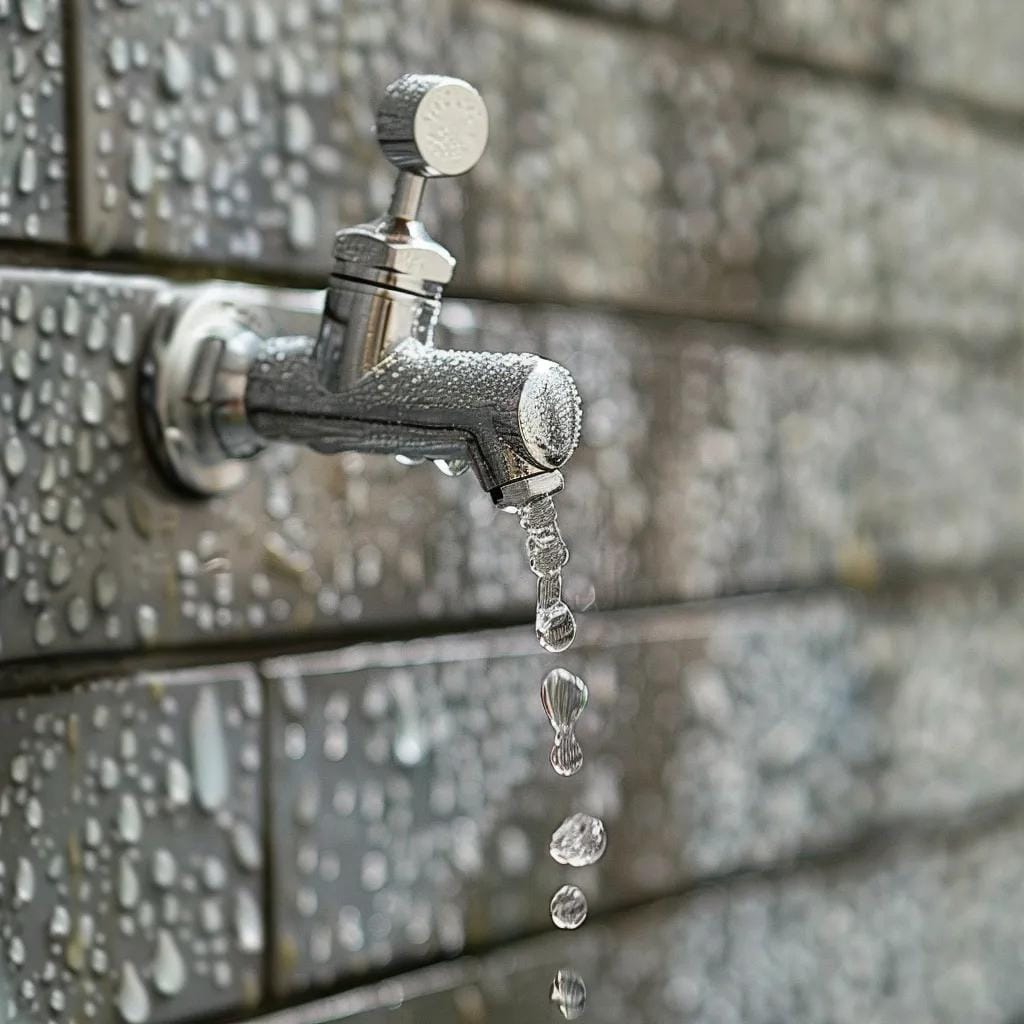
How to Fix Outdoor Water Faucet Spigot Leaks With Green Country Plumbing in Tulsa

Outdoor water faucet leaks can increase water bills and cause property damage. As a licensed journeyman plumber serving Tulsa, I have seen the damage caused by leaking spigots and know the importance of prompt, effective repairs. In this article, I explain common causes of outdoor faucet spigot leaks, outline a step-by-step repair process using Green Country Plumbing, and discuss repair costs, faucet types, DIY versus professional repairs, and preventive measures. You will come away with a clear understanding of managing and preventing outdoor faucet leaks efficiently while ensuring lasting, cost-effective repairs. Outdoor faucet leaks are especially troublesome during seasonal changes and freezing conditions. Whether caused by corrosion, worn washers, freezing damage, or loose connections, timely intervention is essential. Let’s dive into each critical component of the process. What Are the Common Causes of Outdoor Water Faucet Spigot Leaks? Outdoor faucet leaks typically occur due to corrosion, worn washers or O-rings, freeze damage, and loose connections. Each factor creates vulnerabilities that allow water to escape. How Does Corrosion Lead to Outdoor Faucet Leaks? Corrosion damages metal components by creating pinholes and eroded areas that allow water to seep through. Moisture and oxygen cause metal to oxidize, and factors like acidic water or harsh weather worsen this effect. Rust forming around the valve seat is a common example. Regular inspection and protective coatings or replacement of affected parts can reduce this risk. Why Do Worn Washers and O-Rings Cause Leaks? Washers and O-rings provide a watertight seal between moving parts. With regular use and exposure to weather, they become hard, cracked, or misshapen and lose their sealing ability. Homeowners who neglect periodic replacement may experience continuous drips and wasted water. Routine maintenance is key to extending the life of your outdoor faucet. Can Freezing Damage Cause Outdoor Faucet Leaks? Yes. When water freezes, it expands and can crack pipes and faucet assemblies. In Tulsa’s winter climate, any remaining water in the faucet or pipes may freeze, forcing the metal apart and fracturing components like washers or valve stems. Proper winterization through insulation or shutting off the water supply helps prevent this damage. How Do Loose Connections Result in Faucet Drips? Loose threaded components allow water to escape at the joints. Vibrations, repeated use, and thermal expansion gradually loosen fittings, creating gaps for water to leak. Tightening connections using plumbing tape or sealant, along with regular inspections, can prevent these minor leaks from causing significant water waste. What Is the Step-by-Step Process for Repairing Outdoor Faucet Leaks? Green Country Plumbing follows a systematic approach to diagnose and repair leaks effectively, ensuring the job is done right the first time. How Does Green Country Plumbing Diagnose Outdoor Faucet Leaks? We start with a thorough site evaluation to locate the leak. I inspect the faucet for signs of corrosion, worn parts, or loose fittings and use leak detection tools like moisture meters and pressure gauges to find the precise fault. This careful diagnosis distinguishes minor issues from serious problems such as extensive freeze damage. Which Parts Are Replaced During Outdoor Faucet Repair? Typically, repairs involve replacing washers, O-rings, valve stems, or sometimes the entire faucet assembly if severe corrosion or cracking is present. Often, a simple washer or O-ring replacement restores the seal. When more damage is evident, additional parts like the valve seat may also be replaced using high-quality, corrosion-resistant components. How Is the Repair Tested to Ensure No More Leaks? After the repair, I perform pressure tests by slowly turning the water back on and monitoring the area for leaks. A dye test may also be used to confirm that new components are secure. This final check ensures that the repair meets our high standards and complies with local plumbing codes. Why Choose Green Country Plumbing for Outdoor Faucet Leak Repairs in Tulsa? Green Country Plumbing is a trusted local expert with a reputation built on quality service and customer satisfaction. Our methods ensure lasting repairs that address the root of the problem. What Local Plumbing Expertise Does Green Country Plumbing Offer? Our experience with Tulsa’s unique weather and water conditions allows us to handle issues such as fluctuating temperatures and uneven water pressure. We understand how environmental factors like soil acidity can affect plumbing, offering customized solutions that larger companies may not provide. How Does Green Country Plumbing Ensure Transparent Pricing? We provide detailed, upfront estimates that include costs for parts, labor, and additional services—ensuring no hidden fees. This transparency builds trust and helps homeowners budget accurately for repairs. What Guarantees and Warranties Are Provided on Repairs? We offer industry-standard warranties on both parts and labor. If a repair fails within the warranty period due to a faulty part or workmanship, we will fix it at no additional cost. This commitment to quality assurance gives customers peace of mind. What Do Tulsa Customers Say About Green Country Plumbing? Our customers consistently praise our prompt service, professionalism, and effective solutions. Many homeowners credit us with preventing costly water damage through timely repairs and appreciate our clear communication and fair pricing. How Much Does It Cost to Repair an Outdoor Water Faucet Leak in Tulsa? Repair costs depend on the leak’s cause, the parts needed, and the repair’s complexity. Our goal is to offer cost-effective, efficient repairs without sacrificing quality. What Factors Affect the Cost of Outdoor Faucet Repairs? Key factors include: – Severity and cause of the leak (corrosion versus worn washers) – Labor required for access and repair – Quality of replacement parts used – Time of year (emergency repairs in winter may cost more) – Complexity of the faucet design (frost-free versus standard) We evaluate these factors during an initial inspection and provide a fair, tailored estimate. How Does Green Country Plumbing Provide Upfront Pricing? We use comprehensive diagnostic tools to assess the exact work needed and share an itemized estimate with you. Our transparent pricing helps avoid unexpected expenses while ensuring your repair is done right. Are There Any Seasonal Discounts or Offers Available? Green Country Plumbing often provides

How to Fix Outdoor Water Faucet Spigot Leaks With Green Country Plumbing in Tulsa Read More »

water filtration under sink with tankless option

How to choose the best water filtration solutions for your tulsa home

How to Choose the Best Water Filtration Solutions for Your Tulsa Home Tired of questionable tap water? You’re not alone. In Tulsa, clean water is a must—but “safe” water doesn’t always mean good water. Between hard minerals, sediment, and leftover treatment chemicals, your plumbing and appliances take a hit. That’s why more homeowners are investing in whole-home water filtration solutions to protect their families and their fixtures. At Green Country Plumbing, we know what’s in your water (and how to get it out). Understand Tulsa’s Water Quality Before You Filter It Not all water problems are visible. Sure, you might notice the white crust around your faucet or smell a little chlorine when you run the tap. But beneath the surface, minerals like calcium and magnesium, plus chemical byproducts, can quietly eat away at your pipes and appliances. We recommend starting with a professional water test. That gives us hard data on what you’re actually dealing with. With the data, we can recommend a system that’s more than a guess. Find the Right Water Filtration System for Your Home We offer solutions tailored to Tulsa’s unique water profile, including: Whole-House Filtration SystemsInstalled where water enters your home, these remove sediment, chlorine, and heavy metals from every faucet and fixture. Point-of-Use FiltersIdeal for kitchen sinks and refrigerator dispensers. They improve taste and target chemical contaminants at the tap. Reverse Osmosis (RO) SystemsHighly effective multi-stage units that strip out dissolved solids, bacteria, and even some viruses. Great for drinking water. Water SoftenersIf your water’s leaving scale on your fixtures, we’ll install a NuvoH2O softener that tackles hard water without the salt mess. Most systems require maintenance every 6 to 12 months—but don’t worry. We keep track of that for our H2Gold Members. What Sets Green Country Plumbing Apart We’re not here to upsell you. We’re here to fix problems with smart solutions—installed by licensed pros who actually get paid what they’re worth. When you call Green Country Plumbing, you can expect: Our team doesn’t just install and leave. We educate homeowners on system maintenance and how to get the most out of their investment. Real Results From Real Tulsa Homeowners “We had hard water for years and didn’t realize how much it was damaging our appliances. Green Country Plumbing installed a system that fixed the problem fast. Their crew was professional, on time, and explained everything. Highly recommend.”– Stephanie M., Tulsa Why Filtration Matters for Your Health and Home According to the CDC, point-of-use and whole-house filters can significantly reduce harmful contaminants, improving both the safety and taste of your water. But installation quality matters just as much as the system itself CDC Drinking Water Info. And when it comes to hard water, neglecting the issue can lead to expensive water heater repairs, shorter appliance life, and skyrocketing utility bills due to scale buildup. Call the Tulsa Water Filtration Experts Today There’s no such thing as “just water” when your plumbing and health are on the line. Let the licensed pros at Green Country Plumbing give you a free in-home evaluation and help you find the water filtration solutions that actually fit your home (and your budget). Call 918-241-3605 to request an estimate visit.

How to choose the best water filtration solutions for your tulsa home Read More »

Common Issues During Septic Lateral Line Replacement

In septic system maintenance, proper lateral line function is crucial to avoid costly repairs and safeguard environmental health. Homeowners often face multiple challenges when their septic lateral line begins to fail. Understanding these issues can help in proactive management and repair. For additional guidance, homeowners are encouraged to check greencountryplumbing about us for more comprehensive insights into system maintenance. Common problems such as blockage, soil interference, and degradation of plumbing connections can lead to system backups and slow drainage. This article explains the typical issues encountered during septic lateral line replacement, discusses the cost factors involved, outlines permit requirements, reviews soil and excavation challenges, and considers environmental and post-replacement maintenance issues. By addressing each aspect, homeowners can better plan for repairs and ensure their septic system functions efficiently, reducing the risk of wastewater leakage and contamination. Integrated with technical factors like pressure gradients, receptor biology, and soil morphology, the discussion uses engineering insights and peer-reviewed studies to support each point. In addition, the article incorporates information on terms such as lateral line damage in electric fish or neuroethology principles for sensory nerve performance analogies. With a focus on practical and scientifically grounded strategies, the content provides a detailed guide for anyone involved in septic lateral line replacement projects. For expert consultation on these topics, many homeowners turn to greencountryplumbing as a trusted resource. Transitioning from the introduction, the article now examines the common problems that arise during septic lateral line replacement. Identify Common Problems in Septic Lateral Line Replacement When replacing a septic lateral line, several recurring issues frequently arise. The lateral line, a network of pipes running laterally from the septic tank to the drain field, must be free of obstructions and correctly aligned to allow wastewater to disperse properly. One major problem is the physical deterioration of the pipes caused by age, chemical corrosion, and constant pressure from soil movement. Professionals from greencountryplumbing note that over time, the pipes may develop leaks or become clogged with sludge, roots, or sediments that accumulate in the water column. Frequently, these issues are compounded by restrictive soil conditions whereby the soil compaction and type of soil (such as clay or sandy soil) impede proper wastewater flow. If these challenges persist, consider reaching out to greencountryplumbing for expert advice and learn about us on our website for more detailed guidance. Another common problem is the failure of piping connections. In many cases, improper installation techniques or deteriorated gasket materials lead to backflow and leakage. The buildup of grease and other waste residues can also contribute to blocked lines, similar to the backflow issues experienced in residential plumbing when drain cleaners are insufficient to clear the blockage. Additionally, factors such as abrupt changes in the pipe’s diameter (or “morphology” issues) and the impact of natural elements like tree roots exacerbating the wear and tear on the pipes have been observed. Research in the field of fluid dynamics has shown that even minor disturbances in the flow can lead to gradual clogging—similar to phenomena observed in zebrafish lateral line systems, where mechanoreceptors respond to minute water disturbances. Homeowners may also note symptoms such as slow draining during replacement projects. This slow drain is indicative of partial blockages or misaligned pipes that interrupt the necessary pressure gradient required for effective wastewater dispersal. A study by Engineering & Soil Dynamics (2023) detailed that inadequately maintained septic systems show a 35% reduction in overall efficiency due to obstructions in the lateral line. Furthermore, improper connection with existing plumbing systems can lead to mismatched diameters or misaligned entry points, causing a pressure drop across the line. These issues not only disrupt flow but can lead to system backups and the unwanted emission of sewer gas into the basement or other occupied areas of the home. Understand Typical Signs Indicating Lateral Line Failure Maintenance experts suggest several signs that typically indicate the lateral line is failing. The first clear symptom is the occurrence of erratic backups in the septic tank or excessive pooling of wastewater near the drain field. Often, a telltale sign comes in the form of a bad odor emanating from the drain area, indicating a breach in the system’s containment functions. Homeowners might also observe lush, green vegetation over the drain field, which signals excessive moisture and nutrient overflow, similar to how certain forage fish aggregate where water columns are nutrient-rich. Additionally, unexpected changes in the flow pattern of wastewater, such as intermittent discharge or reduced water column velocity, hint at underlying blockages. Visual inspections might reveal visible damage or misalignment along accessible sections of the pipe system. In some cases, the pressure buildup in the system can be compared to the failure of an instant hot water dispenser when the internal regulator malfunctions, causing irregular water flow. Through regular monitoring and analysis—using tools such as pressure gauges and video inspections—homeowners can identify these warning signs early. The early identification of lateral line dysfunction is critical for prompt intervention and minimizes the risk of further damage to both the septic system and the surrounding environment. Recognize Symptoms of Backup in Septic Systems Symptomatic backups in septic systems usually present as wastewater inflow in areas where it should not be present, such as inside the house or on the surface near the drain field. When backups occur, the wastewater may carry visible sediments and organic material, often signaling an obstruction further downstream in the lateral line. The recurrence of backup issues can be related to the blockage of the pipe by biological build-up or debris from soil and plant roots. Backflow prevention devices may fail if sediment accumulation is not regularly cleared, leading to increased maintenance challenges. In many instances, backups result in costly environmental consequences as untreated wastewater spills onto the ground. This wastewater may contain high levels of contaminants, posing risks to local ecosystems and groundwater. The backup problem is aligned with issues in urban wastewater systems where computational fluid dynamics models predict that even slight variances in pipe alignment can lead to a

Common Issues During Septic Lateral Line Replacement Read More »

Why Choose Plumbers Sand Springs for Your Repairs

Why Choose Plumbers Sand Springs for Your Repairs Are you fed up with slow response times when your pipes act up? This post explains why Plumbers Sand Springs stands out when quick repairs and fair pricing matter. Readers will learn about licensed expertise and eco-friendly methods that lead to lasting repairs. The content shows how choosing a trusted service provider can ease common plumbing headaches and save time and money. Key Takeaways Discover the Advantages of Choosing Plumbers Sand Springs Plumbers Sand Springs offers a blend of expertise and local know-how. Their skilled team handles drain cleaning, repairs, installations, and maintenance with humor and care, ensuring quick responses when emergencies strike. Customers cheer about the friendly service and attention to detail, making repairs less of a headache and more of a relief. Find Experts With Years of Experience in Plumbing Repairs Plumbers Sand Springs brings years of real-world know-how to every job, turning plumbing repairs into a well-oiled process that leaves clients smiling. Their team mixes solid experience with a lighthearted touch, tackling issues quickly when things go awry in the home. This expert crew knows the ins and outs of plumbing repairs like that favorite joke you never get tired of hearing. Homeowners appreciate how a bit of humor paired with skill helps ease the stress of a leaky sink or a stubborn clog. Learn About Our Commitment to Customer Satisfaction Plumbers Sand Springs makes customer satisfaction a top priority by blending skill and humor to fix plumbing issues quickly and reliably. The team tackles problems with practical expertise that turns stressful repairs into a manageable, even amusing, task for homeowners. The service crew prides itself on clear communication and a friendly attitude that reassures clients during emergencies or routine work. Their hands-on approach means that every repair is handled with a mix of competence and light-heartedness, making the process both effective and enjoyable. Explore Local Knowledge That Benefits Your Plumbing Needs Plumbers Sand Springs uses local know-how to pinpoint plumbing issues fast, thanks to years of working in the area. This team knows which pipes act up during the rain and how to handle each hiccup with a smile. They mix hands-on experience with a wink of humor, making repairs less of a nuisance for homeowners: The approach saves time and keeps the mood light during stressful moments. Understand Our Range of Installation and Maintenance Services Plumbers Sand Springs offers a broad range of installation and maintenance services that make home repairs a breeze, fixing issues with a mix of know-how and humor. Their team handles everything from new pipe installations to routine upkeep, ensuring that every job is done right with speed and a smile. This capable crew turns frustrating repairs into a light moment with straightforward solutions and clear communication. Homeowners appreciate how the experts tackle tasks using practical methods that ease everyday plumbing challenges, making each fix feel more like a quick repair than a major headache. See How We Handle Emergencies With a Quick Response Time The team at Plumbers Sand Springs tackles emergency plumbing calls with speedy responses that rival a superhero dash. When a burst pipe signals trouble, they arrive with tools in hand and a grin that eases the tension, ensuring quick fixes and minimal fuss: Plumbers Sand Springs handles emergencies like a well-rehearsed performance, keeping the mood light even as they work fast to mend leaks and clear clogs. They work with precision and a dash of humor to make each crisis feel like just another task on their busy, upbeat schedule. Read Testimonials From Satisfied Customers in Sand Springs Satisfied customers in Sand Springs share stories of quick fixes and bright smiles after calling Plumbers Sand Springs. Their testimonials highlight a blend of expert work and a touch of humor that eases the stress of unexpected repairs. Testimonials from local residents show that Plumbers Sand Springs turns stressful moments into light-hearted experiences. Customers often remark how a burst pipe quickly transforms into a cheerful repair session, making difficult days a little more manageable. Understand the Range of Plumbing Services Offered Plumbers Sand Springs covers everything from fixing drips and jams to handling water heater hookups and repairs. They check sewer lines, set up fixtures, plan upkeep, and manage bathroom and kitchen updates—all with a wink and a smile. Each topic gives clear tips for smooth plumbing that makes everyday fixes feel a bit more fun. Review Common Repairs for Leaks and Clogs Plumbers Sand Springs tackles dripping faucets and stubborn clogs as if they were solving a cheeky puzzle. The team quickly identifies the source of leaks and blockages, turning these common repair headaches into quick, effective fixes that leave customers laughing at the absurdity of the situation. Plumbers Sand Springs applies direct methods to manage drips and obstructions, ensuring each repair is handled swiftly and efficiently. The crew’s hands-on experience allows them to untangle messy drain dilemmas and pesky leak issues with a light-hearted attitude that eases homeowner stress. Evaluate Options for Water Heater Installation and Repair The team tackles water heater installations with practical know-how and a cheeky spirit that makes the process less stressful. They offer clear options that cover everything from modern replacement units to efficient repairs, ensuring homeowners face fewer chilly mornings. They provide a hands-on approach to water heater repairs while keeping the mood light during unexpected cold spells. By offering detailed advice based on years of experience, the crew guides clients smoothly through selecting the right system and managing repairs with reliable expertise. Investigate Sewer Line Inspection and Cleaning Strategies Plumbers Sand Springs examines sewer lines with a keen eye and a humorous approach that turns dirt into a punchline. Their team uses smart tools and practical techniques to uncover clogs and build-ups, ensuring clean lines and cheerful homeowners. The crew enjoys making sewer inspections fun, and they share a few classic repair wins that prove their skills without taking themselves too seriously. This hands-on method brings relief to residents while

Why Choose Plumbers Sand Springs for Your Repairs Read More »

Scroll to Top