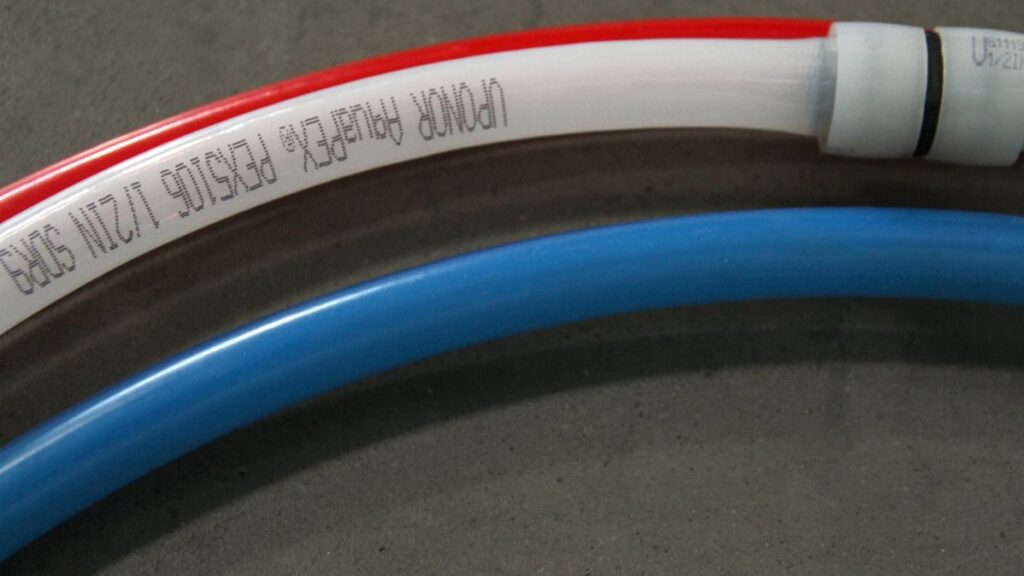
Home Repipe Tulsa: Comprehensive Guide to Whole House Repiping and Cost-Effective Solutions Homeowners in Tulsa often face plumbing challenges that can lead to significant issues if not addressed promptly. This comprehensive guide explores the essential aspects of home repiping, focusing on the signs that indicate a need for repiping, the benefits of whole house repiping, and the comparison between different piping materials. Understanding these elements can help homeowners make informed decisions about their plumbing systems. Many residents struggle with outdated plumbing that can lead to leaks, low water pressure, and water discoloration. Whole house repiping offers a solution that not only resolves these issues but also enhances the overall value and functionality of the home. This article will cover the signs indicating a need for repiping, the benefits of repiping, a comparison of PEX and copper materials, the repiping process with Green Country Plumbing, cost considerations, and why choosing Green Country Plumbing is a smart decision. What Are the Signs You Need a Home Repipe in Tulsa? Identifying the signs that your home requires repiping is crucial for maintaining a safe and functional plumbing system. Common indicators include low water pressure, discolored water, and frequent leaks. These issues often stem from aging pipes that can no longer effectively transport water, leading to potential health risks and property damage. Homeowners should be vigilant about these signs to prevent further complications. How Do Low Water Pressure and Discolored Water Indicate Pipe Issues? Low water pressure can be a frustrating experience for homeowners, often indicating underlying plumbing problems. This issue may arise from mineral buildup, corrosion, or leaks within the pipes. Discolored water, on the other hand, is a clear sign of rust or sediment in the water supply, often resulting from aging galvanized or iron pipes. Both symptoms suggest that the plumbing system is deteriorating and may require immediate attention to avoid more severe issues. What Are Common Leak and Corrosion Problems in Older Tulsa Homes? Older homes in Tulsa frequently experience leaks and corrosion due to outdated plumbing materials. Common types of leaks include pinhole leaks, which can occur in copper pipes, and larger leaks in galvanized pipes that have corroded over time. Corrosion not only leads to water loss but can also compromise the structural integrity of the plumbing system, resulting in costly repairs. Homeowners should consider a repipe if they notice these issues, as they can lead to significant water damage and increased utility bills. What Are the Benefits of Whole House Repiping for Tulsa Homeowners? Whole house repiping offers numerous advantages for homeowners, including improved water quality, increased home value, and enhanced plumbing longevity. By replacing old, deteriorating pipes with new materials, homeowners can enjoy a more reliable plumbing system that meets modern standards. How Does Repiping Improve Water Quality and Pressure? Repiping significantly enhances water quality by eliminating rust, sediment, and contaminants that may have accumulated in older pipes. This improvement leads to clearer, cleaner water that is safer for consumption. Additionally, new piping materials, such as PEX or copper, can improve water pressure, providing a more satisfying experience for homeowners when using faucets and showers. In What Ways Does Repiping Enhance Home Value and Plumbing Longevity? Investing in a whole house repipe can substantially increase a home’s market value. Prospective buyers often view updated plumbing as a major selling point, reducing the likelihood of future plumbing issues. Furthermore, new pipes are designed to last for decades, providing homeowners with peace of mind and reducing the need for frequent repairs. PEX vs. Copper Repipe Tulsa: Which Material Is Best for Your Home? When considering different piping materials, it’s helpful to understand the broader context of material substitution and its implications for plumbing systems. PEX, Copper, & Steel Pipe Material Substitution The study serves as an initial step in developing benchmarks and impact reduction strategies for MEP systems. It considers the material substitution from standard practice to PEX pipe throughout (Radiant: PEX in slab, copper and steel elsewhere; VAV: steel and copper) and for both typical single-riser pipe layout and multi-riser layout for both HVAC system types. Material Selection and System Layout to Lower Embodied Carbon of Pipe in an Office Building, M Roberts, 2016 Material Advantages Disadvantages PEX Flexible, resistant to scale and chlorine, lower installation costs Not suitable for prolonged outdoor exposure, potential for UV damage Copper Durable, long-lasting, resistant to bacteria Higher material costs, requires soldering for installation What Are the Advantages and Disadvantages of PEX Piping? PEX piping is increasingly popular due to its flexibility and resistance to scale and chlorine. This material is easier to install, often resulting in lower labor costs. However, PEX is not suitable for prolonged outdoor exposure as it can be damaged by UV rays, which limits its application in certain situations. However, it’s important to be aware of potential material interactions, as some studies highlight specific challenges with certain PEX types and brass fittings. PEX-AL-PEX & Brass Fitting Failures in Plumbing KITEC later produced a PEX sandwich with a layer of aluminum inside (PEX-AL-PEX or PE-AL-PE). In PEX installations, when water flows through the brass (brass is a copper-zinc alloy), there is a leaching of zinc from brass fittings. Plumbing/Piping/Tubing Failures, 2021 Further research also indicates that PEX pipes can experience degradation when exposed to corrosion from upstream metal components like copper and brass. PEX Pipe Degradation from Copper & Brass Corrosion ATR-FTIR analysis showed that at 55 C, PEX pipes connected to copper and brass resulted in the highest amount of metals deposited on the PEX pipe surfaces. Corrosion of upstream metal plumbing components impact downstream PEX pipe surface deposits and degradation, X Huang, 2019 How Does Copper Piping Compare in Durability and Cost? Copper piping is renowned for its durability and long lifespan, making it a traditional choice for plumbing systems. While the initial cost of copper is higher than PEX, its longevity can justify the investment. Copper is also resistant to bacteria, ensuring a safer water supply. However, the installation process can be more