Plumbing Tips Plumbing Maintenance

Winter Survival Guide for 2026 with No Frozen Pipes in Tulsa and Sand Springs

Winter in northeastern Oklahoma brings a real risk of frozen and burst pipes that can disrupt daily life and cause costly water damage. This guide explains why pipes freeze, how freezing leads to bursts and water loss, and what Tulsa and Sand Springs homeowners can do now to prevent winter plumbing emergencies. You will learn local temperature thresholds, prioritized prevention steps like pipe insulation and outdoor faucet winterization, safe thawing methods, vacation preparation protocols, and a practical winter plumbing checklist tailored to area conditions. The article also covers when to handle problems yourself and when to escalate to professional emergency frozen pipe repair, highlighting how local expertise complements homeowner actions. Read on for step-by-step prevention, clear emergency actions, downloadable-style checklist components, and concise service information relevant to Tulsa and Sand Springs homeowners preparing plumbing systems for the 2026 winter season. What Causes Pipes to Freeze and How Does It Affect Your Home? Pipes freeze when water inside them drops below freezing and expands, applying internal pressure that can crack pipes or burst fittings; ice formation can also block flow and create pressure differentials that push water toward weak joints. The mechanism is physical expansion and localized pressure increases, which produce the primary damage risk: ruptures and subsequent water leaks that often reveal themselves after a thaw. Local factors such as exterior wall exposure, uninsulated crawlspaces, and cold drafts accelerate freezing even when ambient temperatures hover just above 32°F, increasing the chance of localized freeze points. Understanding these causes helps prioritize targeted interventions on the most vulnerable pipe segments, which leads us to local temperature behavior and early warning signs to watch for. At What Temperature Do Pipes Typically Freeze in Tulsa and Sand Springs? Freezing can occur below 32°F, but exposed pipes often freeze at higher ambient temperatures because wind chill and rapid heat loss from poorly insulated walls accelerate cooling. In Tulsa and Sand Springs, overnight lows that dip into the 20s or repeated sub-freeze nights create the highest risk window; however, single-digit wind-driven cold snaps and sudden overnight drops are the most dangerous. Home construction details — such as pipes on exterior walls, uninsulated attics, and shallowly buried supply lines — make specific pipes freeze sooner than interior lines. Check vulnerable locations when forecasts predict consecutive nights below freezing, and use basic temperature-proofing steps outlined below to reduce freeze risk. What Are the Common Signs of Frozen and Burst Pipes? The most common early sign of a frozen pipe is a fixture with no or reduced flow, often first noticed at an outdoor faucet or in a bathroom on an exterior wall; subtle changes in pressure or sputtering faucets can precede complete freeze. Other indicators include frost or condensation on visible pipe exteriors, unusually cold sections of wall when touched, and strange knocking or gurgling noises as trapped water shifts; visible water stains or active drips signal that a fracture or burst has already occurred. Early detection lets you act before a rupture worsens; if you suspect freezing, begin safe thawing steps and limit water use while preparing for possible repairs. Prompt detection and measured action reduce the likelihood of large-scale water damage and costly repairs. The physical causes and early signs of freezing lead directly into prevention: the next section outlines essential homeowner steps to keep pipes warm and flowing through cold spells. What Are the Essential Steps to Prevent Frozen Pipes This Winter? Preventing frozen pipes requires a prioritized set of actions that reduce heat loss, remove standing water from exposed lines, and maintain interior temperatures in at-risk zones. The first line of defense is insulation on vulnerable pipes and sealing drafts where pipes pass through exterior walls; the second is preparing outdoor plumbing and irrigation systems by draining and protecting spigots and backflow components. Maintaining a conservative indoor thermostat setting during cold nights and using the drip method selectively for isolated vulnerable lines provide operational defenses during extreme cold. The steps below break these actions into practical, prioritized items that fit typical Tulsa and Sand Springs homes and help homeowners allocate effort where it provides the most protection. These prioritized steps guide action planning; the next subsection explains specific materials and methods for insulating pipes effectively. How Do You Properly Insulate Vulnerable Pipes? Proper insulation slows conductive heat loss and raises the local temperature around the pipe, reducing freeze risk; common options include foam pipe sleeves, fiberglass wrap, and electrical heat tape, each with different trade-offs for cost, ease, and thermal performance. Foam sleeves are inexpensive and simple for DIY use on straight runs; fiberglass wrap with foil helps in attics and irregular runs but requires careful sealing; heat tape or heat cable actively provides warmth but needs correct installation and a thermostat or thermostat-style controller to avoid overheating. Installation tips include measuring pipe diameter to choose the right sleeve, sealing joints with foil tape, and keeping insulation continuous through areas where the pipe passes through wall cavities. Effective insulation for common problem areas — basement rim joists, crawlspaces, and exterior-wall sinks — can prevent most freeze events when combined with interior temperature management. Before installing heat tape, homeowners should compare materials and use-case strengths summarized in the table below to choose the best option. Insulation Type R-Equivalent / Mechanism Ease of DIY Typical Cost Range Ideal Use-Case Foam Sleeve R-value moderate; reduces convective loss Very easy Low Straight runs in basements and accessible areas Fiberglass Wrap with Foil Adds reflective barrier and bulk insulation Moderate Moderate Attics, irregular runs, exterior walls Heat Tape / Heat Cable Active heating; prevents ice formation Requires careful installation Moderate to higher Long, exposed runs and recurrent freeze points This comparison highlights typical trade-offs so homeowners can prioritize affordable DIY measures first and reserve professional installation for electrically powered heat solutions. Choosing the right material supports a layered prevention approach that combines insulation with temperature control. How Should Outdoor Faucets and Sprinkler Systems Be Winterized? Outdoor plumbing presents predictable freeze points: external spigots, hose bibs, and sprinkler lines.

Winter Survival Guide for 2026 with No Frozen Pipes in Tulsa and Sand Springs Read More »

Why Every Restaurant Needs Hydro Jet Sewer Cleaning

Why Every Restaurant Needs Hydro Jet Sewer Cleaning in Tulsa Welcome to another Green Country Plumbing post! Today, I’m showing you why your restaurant needs professional hydro jet sewer cleaning. If you’re running a restaurant, you’ve got enough on your plate (pun intended). You definitely don’t need to worry whether your sewer system is going to back up during a dinner rush. Trust me, keeping those pipes clean is just as important as keeping your kitchen spotless. So, let’s chat about how hydro jet sewer cleaning in Tulsa can help you avoid some serious headaches down the road. Why Every Restaurant Needs Hydro Jet Sewer Cleaning Running a restaurant is no small feat. Between managing staff, keeping customers happy, and making sure the food’s top-notch, you’ve got a lot going on. But one thing you can’t afford to overlook is your plumbing. I’ve seen it all, from clogged drains to full-on sewer backups, and let me tell you, it’s not pretty. That’s where hydro jet sewer cleaning comes in—a service we offer here at Green Country Plumbing that can make a world of difference. Hydro jetting uses high-pressure water to blast away grease, food particles, and all sorts of gunk that builds up in your pipes. Unlike your standard drain snake, which might just poke a hole in the blockage, hydro jetting clears the entire pipe. It’s like giving your sewer system a fresh start. Here’s why it’s worth considering: Hygiene and Safety: Regular hydro jet cleaning helps keep your restaurant up to code and your kitchen smelling fresh. No one wants to deal with sewer odors mixing with their dinner. Efficiency: This method is powerful enough to clean every inch of your pipes, so you’re not left with lingering issues. It’s a thorough clean, and you won’t need to call a plumber as often. Cost-Effective: We offer “set it and forget it” options so you won’t have to call up a plumber. Say good bye to emergencies. You’ll save money by avoiding frequent clogs and potential disasters that can cost a lot more to fix. What Happens When You Skip Sewer Cleaning  Let’s be real—ignoring your sewer lines can lead to some nasty problems. We’re talking about foul odors, slow drains, and the absolute worst-case scenario: an overflowing toilet during peak hours. Not only does this affect your customers’ experience, but it can also hurt your reputation. Here are some of the headaches you can avoid with regular hydro jet cleaning: Clogs and Blockages: Over time, food waste, grease, and other debris build up in your pipes, leading to clogs that slow everything down. Odor Problems: Neglecting your sewer line can lead to some unpleasant smells creeping into your dining area—not exactly the ambiance you’re going for. Pest Issues: Dirty sewers can attract pests like insects and rodents. These critters aren’t just a nuisance; they’re a health hazard. At Green Country Plumbing, we use hydro jetting to clean out all the sludge and grime without any harsh chemicals, leaving your pipes as good as new. Benefits of Scheduled, Regular Hydro Jet Sewer Cleaning Owning a restaurant is more than just serving great food—it’s also about maintaining a clean, inviting environment for your customers. The last thing you need is a plumbing issue throwing a wrench in your day. That’s where hydro jet sewer cleaning can save the day. Longer Pipe Life: Regular hydro jet cleaning can extend the lifespan of your plumbing by preventing blockages and corrosion. It’s a small investment for long-term peace of mind. Better Hygiene: Hydro jetting is incredibly effective at eliminating bacteria, making your restaurant cleaner and safer for everyone. Cost Savings: While the initial cost might seem like a hit, you’ll save in the long run by avoiding expensive emergency plumbing services. Time Savings: Hydro jetting is fast and efficient, meaning less downtime for your restaurant and more time focusing on what matters—your customers. How Hydro Jet Sewer Cleaning Works You might be wondering what makes hydro jetting so effective. It’s pretty straightforward, but the results are impressive. Hydro jetting uses high-pressure water—sometimes up to 3500 psi—to clear out every bit of buildup in your pipes. It’s a comprehensive cleaning method that goes beyond what traditional methods can do. Here’s how it works: Inspection: First, we take a look inside your pipes with a camera to see what we’re dealing with. Jetting: Once we know where the problem areas are, we blast away the blockages with high-pressure water. Cleanup: The best part? It cleans the entire pipe, so there’s no residue left behind. Investing in professional hydro jet sewer cleaning is a smart move for any restaurant. It keeps your plumbing in top shape, saves you time and money, and helps you avoid those dreaded emergencies that can ruin your day. So, if you want to keep your restaurant running smoothly, give Green Country Plumbing a call. We’re here to help you focus on what you do best—serving up great food.

Why Every Restaurant Needs Hydro Jet Sewer Cleaning Read More »

7 Warning Signs Your Water Pressure is Too Low

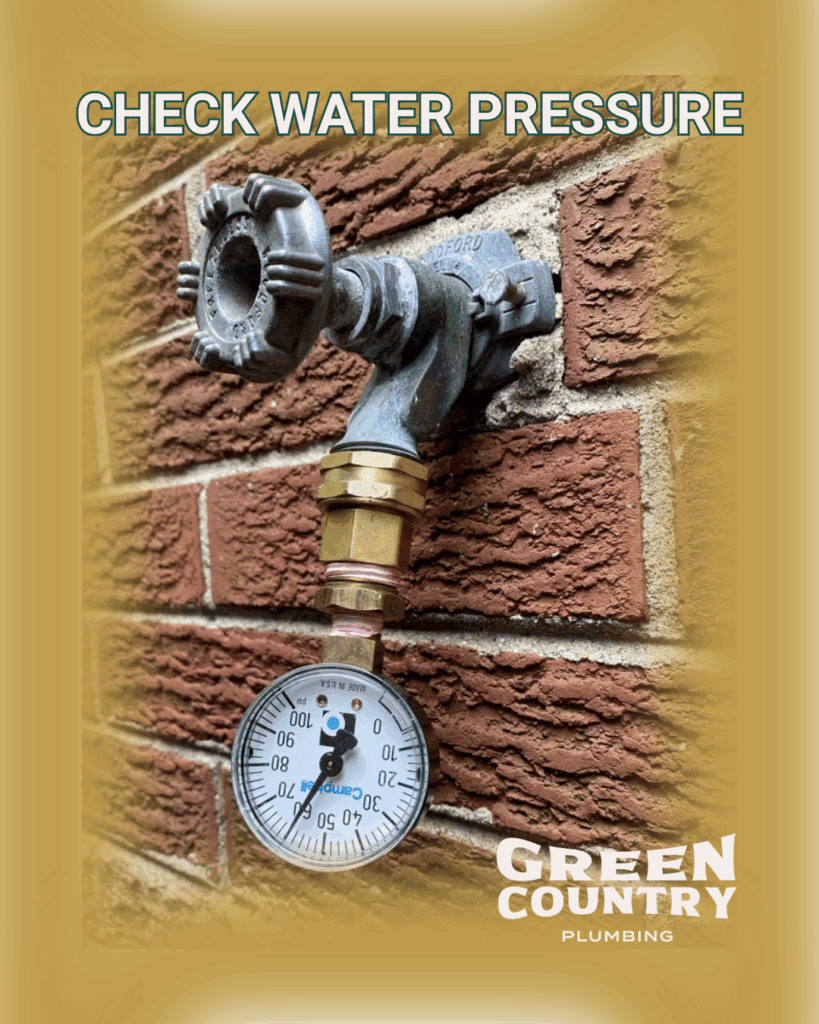
Hey there, Justin Carnahan from Green Country Plumbing here. Today, I want to dive into a topic that’s often overlooked until it becomes a serious headache: low water pressure. It’s one of those things you don’t think about until it happens to you. And trust me, when it does, it’s a real pain. So, let’s look at the seven warning signs that your water pressure might be too low. Trickling Faucets One of the first and most obvious signs of low water pressure is trickling faucets. You turn on the tap expecting a strong, steady stream of water, but all you get is a weak dribble. This can be particularly frustrating when you’re trying to fill up a pot of water to cook dinner or wash your hands quickly. Customer Story: One of our customers, Sabrina from Sapulpa, called us when she noticed her kitchen faucet was barely dribbling water. She initially thought it was mineral build up in her faucet, but after we inspected her home, we discovered the pressure regulator valve had malfunctioned. A quick replacement got her water pressure back to normal, and Sabrina was able to cook her famous pasta without any delays. Poor Performance in Showers Another telltale sign is weak showers. If your morning shower feels more like a gentle sprinkle than a refreshing blast, you likely have a water pressure issue. Quick Tip: Try cleaning the showerhead first, as mineral deposits can sometimes clog the nozzles and reduce pressure. If that doesn’t work, the problem is likely deeper in your plumbing system. Inconsistent Water Flows Do you notice your water pressure fluctuates? One minute you have a decent stream, and the next it’s barely a trickle. This inconsistency can be a sign of issues with your main water line or an aging plumbing system. It could also indicate a blockage or leak somewhere in your pipes. Extended Fill Time for Appliances If your dishwasher or washing machine is taking longer than usual to fill up, low water pressure could be the culprit. These appliances require a certain amount of pressure to operate efficiently, and when the pressure is too low, they can’t perform at their best. Reduced Pressure in Multiple Fixtures When more than one fixture is experiencing low pressure simultaneously, it’s a strong indicator of a broader problem. This could be a sign of a significant issue with your main water supply line or a serious leak within your system. Whistling or Banging Pipes Low water pressure doesn’t always manifest as a slow trickle. Sometimes, it’s accompanied by strange noises like whistling or banging. These sounds often indicate that air is trapped in your pipes due to a leak or that the water flow is being obstructed, causing pressure changes that lead to noise. Spiking Utility Bills Lastly, if you notice your water bills have spiked without a corresponding increase in water usage, it could mean you have a leak somewhere in your plumbing. Leaks often cause pressure drops, as water escapes from the system before it reaches your fixtures. Real Customer Story: John’s Leaky Dilemma One of our long-time customers, John, noticed his water bill had doubled over the past two months. He hadn’t changed his water usage habits, so he called us to check it out. Upon inspection, we found a small, yet steady leak in his underground water line. The leak was causing a drop in pressure throughout his home, and the escaping water was racking up his bill. After fixing the leak and restoring the pressure, John’s water bill returned to normal, and he avoided further unnecessary expenses. Causes of Low Water Pressure Understanding the causes of low water pressure can help you prevent and address these issues more effectively. Some common causes include: Clogged Pipes: Over time, mineral deposits and debris can accumulate in your pipes, restricting water flow and reducing pressure. Leaks: Even a small leak can cause a significant drop in water pressure as water escapes the system. Pressure Regulator Issues: If your pressure regulator malfunctions, it can cause your water pressure to drop or fluctuate. Corroded Plumbing: Older plumbing systems, particularly those made from galvanized steel, can corrode and restrict water flow, leading to low pressure. Municipal Supply Problems: Sometimes, the issue isn’t within your home but with the municipal water supply. Maintenance work or problems at the local water plant can temporarily reduce water pressure. What Do You Do About Low Water Pressure If you’re experiencing any of these warning signs, it’s essential to address the issue promptly to prevent further damage and inconvenience. Here are a few steps you can take: Check for Clogs: Clean out any aerators or showerheads to remove mineral buildup that might be causing the problem. Inspect for Leaks: Look for visible signs of leaks around your home. If you find any, call a professional plumber immediately. Test the Pressure Regulator: If you have a pressure regulator, consider having it tested or replaced if you suspect it’s malfunctioning. Consult a Professional: For more complex issues, such as pipe corrosion or problems with your main water line, it’s best to call in the experts. At Green Country Plumbing, we have the tools and expertise to diagnose and fix low water pressure issues efficiently. Conclusion Low water pressure can be more than just an annoyance; it can signal serious issues within your plumbing system. By keeping an eye out for these warning signs, you can address problems early and avoid more significant damage down the road. For more information on dealing with low water pressure, check out this helpful resource. Remember, if you’re ever in doubt or need professional assistance, give us a call at Green Country Plumbing. We’re here to help keep your water flowing smoothly. Happy Plumbing!

7 Warning Signs Your Water Pressure is Too Low Read More »

Mastering Water Heater Corrosion: Advice from Your Sapulpa Plumber

Hey there, fellow plumbing aficionados! Justin Carnahan here, your friendly neighborhood plumbing expert and the proud owner of Green Country Plumbing. Today, let’s dive into a topic that’s crucial for every homeowner: water heater corrosion. As your go-to Sapulpa plumber, this is a topic you don’t want to skip reading about. Exploring Corrosion with your Sapulpa Plumber Corrosion is like the silent villain lurking in your water heater, slowly eating away at its lifespan and efficiency. But fear not! With a little know-how and some proactive steps, you can conquer water heater corrosion and keep your system running smoothly for years to come. Know Your Water Quality First things first, understanding your water quality is key. Hard water, with its high mineral content, can spell trouble for your water heater. Those minerals love to cling to the inside of your tank, creating a breeding ground for water heater corrosion. As your pro Sapulpa plumber, we recommend a water quality test to gauge the mineral levels in your water. Anode Rod Maintenance Ah, the unsung hero of water heaters – the anode rod. This sacrificial rod takes one for the team by attracting corrosion-causing elements, sparing your tank from their wrath. Regularly check and replace your anode rod as needed to keep corrosion at bay. Flush Away Sediment Sediment buildup at the bottom of your tank isn’t just unsightly; it’s a corrosion hotspot. Schedule regular tank flushes to clear out this sediment and prevent corrosion from gaining a foothold. As the leading local Sapulpa plumber, we are ready to schedule this service for you today! Have a tankless water heater? You’ll need to schedule a flush of your system as well. Tankless systems do have a longer lifespan than traditional hot water tanks. But, they require regular flushing and maintenance too. Keep An Eye On The Temperature Running your water heater at excessively high temperatures can speed up corrosion processes. Find the sweet spot! This is where your water is comfortably hot without putting undue stress on your tank’s metal components. Schedule Preventative Maintenance with your Sapulpa Plumber Don’t neglect your water heater’s overall maintenance. Inspect for leaks, ensure proper insulation, and address any issues promptly to prevent corrosion from spreading. By staying proactive and following these tips, you’ll extend the life of your water heater. Plus, you will save yourself from unexpected cold showers and costly repairs. And remember, Green Country Plumbing is always here to lend a hand with expert advice and top-notch service. Until next time, happy plumbing!

Mastering Water Heater Corrosion: Advice from Your Sapulpa Plumber Read More »

Tulsa Plumbing Service | Hydro Jetting Magic For Your Drains

Introduction to Hydro Jetting Tulsa, OK Are you struggling with persistent drain and sewer line clogs in your Tulsa, OK home or business? Look no further than Green Country Plumbing, hydro jetting Tulsa! Our jetting services are designed to provide a thorough and effective solution to your plumbing woes. Our Tulsa plumbing service uses state-of-the-art equipment and delivers a team of trusted experts. We’re here to revolutionize the way you tackle stubborn clogs. How Does Hydro Jetting Work? First, hydro jetting is a cutting-edge method that involves a high-pressure water hose equipped with a specialized nozzle. This nozzle releases powerful jets of water to forcefully eliminate stubborn clogs and debris from drain pipes and sewer lines. The high-speed water effectively breaks down and flushes away sludge, grease, tree roots, and other blockages. For those in Tulsa, OK, facing significant sludge and clog issues, jetting is the ideal solution for a comprehensive clean. Benefits of Hydro Jetting Furthermore, hydro jetting services at Green Country Plumbing come with a range of benefits for both residential and commercial properties. Here’s why plumbers use hydro jetting for Tulsa plumbing service: Why Choose Green Country Plumbing, Tulsa plumbing service? When you choose Green Country Plumbing for hydro jetting Tulsa, OK, you’re opting for professionalism and excellence. Our highly-qualified and experienced plumbers utilize cutting-edge hydro jet systems to eliminate a variety of clogs, including sludge, grease build-up, mineral deposits, food particles, debris, and tree roots. By removing these clogs, we enhance the overall performance of your drain pipes and sewer lines. Contact Green Country Plumbing Today Ready to experience the benefits of hydro jetting for yourself? Contact Green Country Plumbing at 918.241-3605 to schedule your hydro jetting service in Tulsa, OK. Our team is dedicated to providing quality workmanship and reliable services to ensure your plumbing system functions at its best. Say goodbye to stubborn clogs and hello to efficient, eco-friendly plumbing solutions. Green Country Plumbing is your hydro jet pro!

Tulsa Plumbing Service | Hydro Jetting Magic For Your Drains Read More »

Best Plumber Tulsa | Identify and Thaw Frozen Pipes Tulsa

At Green Country Plumbing, we understand the challenges that homeowners face. We are ranked best plumber Tulsa and this post is all about plumbing challenges in Tulsa during the winter months. One of the most common issues is dealing with frozen pipes, which can lead to costly damages if not addressed promptly. In this blog post, we’ll discuss how to identify frozen pipes Tulsa and the best methods to thaw them without causing any damage. Identifying – Frozen Pipes Tulsa Low Water Pressure. One of the early signs of frozen pipes is a significant decrease in water pressure. If you notice a sudden drop in water flow from your faucets, it could be an indication of frozen pipes. Frost On Pipes. Check exposed pipes, especially in unheated areas like basements, crawl spaces, or attics. If you see frost on the pipes, it’s a clear sign that they are frozen. Strange Odors. Frozen pipes can sometimes lead to strange odors emanating from your faucets or drains. This could be a result of trapped water and debris in the pipes. Strange odors alone are not always an indication you should reach out best plumber Tulsa, Green Country Plumbing. Thawing Frozen Pipes Safely Turn Off Water Supply. Before attempting to thaw frozen pipes, it’s crucial to turn off the water supply to prevent further damage in case the pipes have burst. Open Water Faucets. Open the affected faucets to allow water to flow once the pipes start thawing. This can relieve pressure and reduce the risk of pipe rupture. Apply Heat. Use a hairdryer, heat lamp, or heating pad to apply GENTLE heat to the frozen section of the pipe. Start from the end nearest to the faucet and work your way toward the blockage. Warm Towels or Rags. Wrap warm towels or rags around the frozen pipe. Pour hot water over them to enhance the thawing process. Replace the towels as needed. Space Heaters. If the frozen pipe is in an accessible area, consider using a portable space heater to warm the surrounding air. Be cautious with the heater’s placement to avoid any fire hazards. Never Use Open Flames. Avoid using open flames, such as blowtorches, to thaw pipes. This can pose a significant risk of fire and damage to the pipes. Preventing frozen pipes Tulsa is essential for the well-being of your home. By being vigilant and taking prompt action, you can mitigate the risks associated with frozen pipes. If you’re unsure about handling the situation yourself, don’t hesitate to contact best plumber Tulsa, Green Country Plumbing for professional assistance. Stay warm and keep your pipes protected this winter season!

Best Plumber Tulsa | Identify and Thaw Frozen Pipes Tulsa Read More »

Scroll to Top