
The $500 Device That Could Save You $50,000: How Automatic Water Shut Off Valves Protect Your Home and Finances
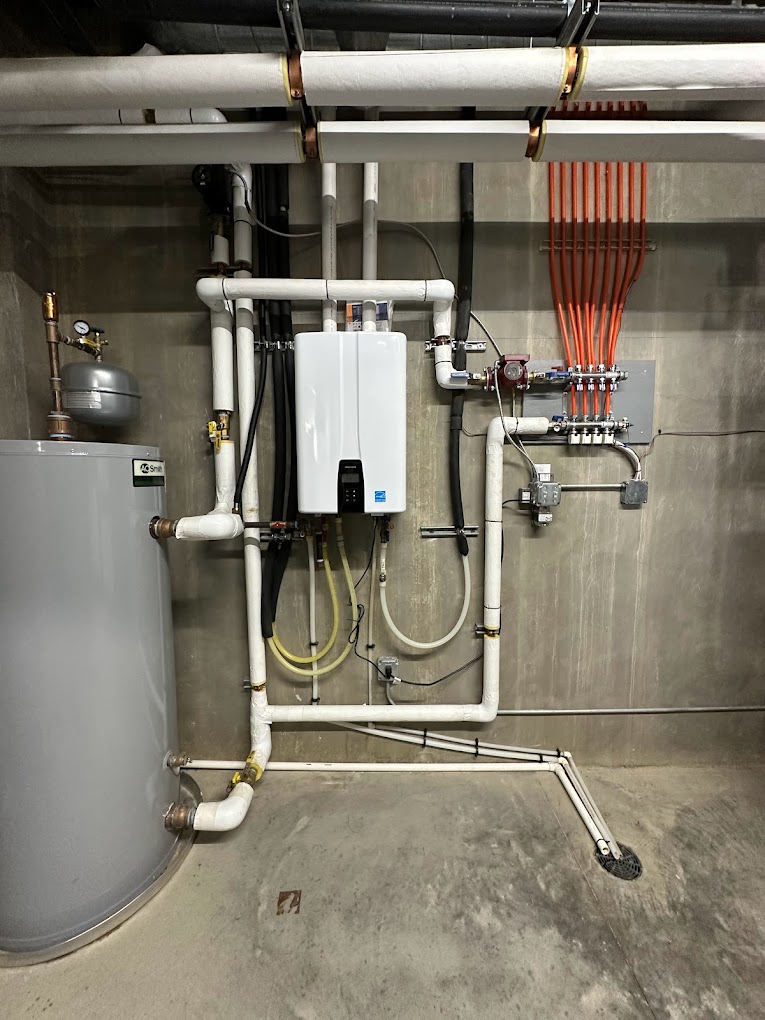
Every year, hidden plumbing leaks cost homeowners an average of $11,650 in restoration bills, yet a $500 automatic water shut-off valve and whole-house leak detection system can intercept micro-leaks before they cascade into catastrophic damage. In this guide, you’ll discover what smart water leak detection systems and automatic shut-off valves are, the true cost of water damage, how this device delivers significant savings and peace of mind, how to choose and install the right system, smart home integration tips, and real-world scenarios where prevention pays off. By the end, you’ll understand how investing in home water leak protection repays itself many times over.
What Is a Smart Water Leak Detection System and Automatic Shut Off Valve?
A smart water leak detection system with an automatic shut-off valve combines sensors, connectivity, and actuation to monitor water flow and moisture, shutting off your main supply instantly when anomalies occur. This integrated solution prevents flood damage by detecting leaks as small as a drop per minute and closes the valve within seconds. For example, flow-based sensors can spot a continuous drip behind a wall and trigger an app alert plus valve closure before structural damage begins. Understanding this technology lays the groundwork for exploring how it works and what you need for comprehensive home coverage.
How Do Smart Water Leak Detectors and Shut Off Valves Work?
Smart leak detectors use moisture, flow, pressure, and temperature sensors to identify irregular patterns in plumbing. When the system’s IoT hub receives data indicating a leak—such as a sudden drop in pressure or continuous flow outside normal use—machine-learning algorithms confirm the anomaly. The hub then sends a command to the automatic shut-off valve, which closes the main water supply within seconds to prevent further damage. This immediate response ensures water damage is contained, protecting walls, floors, and personal property from extensive harm.
What Are the Key Components of a Whole-House Leak Detection System?
Below is a structured breakdown of essential elements in a whole-house leak detection and shut-off solution:
| Entity | Attribute | Value |
|---|---|---|
| Flow Sensor | Sensitivity | Detects as little as 0.1 gallons per minute |
| Automatic Shut-Off Valve | Actuation Speed | Closes main line within 5 seconds |
| IoT Hub | Connectivity | Wi-Fi, Ethernet, cellular fallback |
| Mobile App | Alerts | Push notifications, SMS, email |
| Water Meter Integration | Usage Tracking | Monitors daily, weekly, monthly consumption |
Each component works together to create a seamless monitoring network that intercepts leaks early and triggers a protective response, directing you toward the next step: choosing the right type of system for your home.
What Types of Leak Detection Systems Are Available for Home Use?
- Point-of-contact sensor kits that use spot detectors placed under appliances, sinks, and along problem areas.
- Whole-house flow-based systems that integrate directly with the main water line, monitoring total usage and shutting off automatically.
Types of Leak Detection Systems
Homeowners can choose between point-of-contact sensor kits and whole-house flow-based systems. Point-of-contact kits are cost-effective and DIY-friendly, while whole-house systems offer comprehensive protection but require professional installation and a higher initial investment.
U.S. Environmental Protection Agency, WaterSense: Products (2024)
This citation provides information on the different types of leak detection systems available for home use, as discussed in the article.
What Is the True Cost of Water Damage and How Can It Impact Your Home?
Water damage can erode investment value, compromise structural integrity, and lead to health hazards when mold takes hold. Restoration costs vary widely based on water type and severity, but hidden moisture can undermine foundations over time, increasing repair complexity and expense. Recognizing the full financial impact—including repair bills, mold remediation, and insurance implications—underscores why proactive leak detection is essential.
Cost of Water Damage
Water damage can lead to significant financial burdens for homeowners, including restoration costs, mold remediation, and potential decreases in property value. The severity of the damage, influenced by water type and the extent of the affected area, directly impacts the overall expenses.
Insurance Information Institute, Facts + Statistics: Homeowners and renters insurance (2024)
This source provides context for the financial implications of water damage, which is a central theme of the article.
What Are the Average Water Damage Restoration Costs by Severity and Water Type?

Homeowners face different cost brackets depending on contamination level and affected area:
| Severity / Water Type | Restoration Scope | Average Cost |
|---|---|---|
| Class 1 (Clean) | Minor leaks, carpet drying | $1,382 – $3,835 |
| Class 2 (Gray) | Moderate saturation, drywall removal | $3,836 – $6,346 |
| Class 3 (Black) | Sewage or floodwater, full teardown | $6,347 – $16,000 |
What Hidden Costs Result from Water Damage Beyond Repairs?
- Mold remediation and air-quality testing that add thousands in treatment fees.
- Structural drying and dehumidification services that prolong restoration timelines.
- Depreciation of property value due to lingering moisture issues and inspection red flags.
- Loss of personal items such as electronics, furniture, and heirlooms.
How Do Insurance Claims and Deductibles Affect Water Damage Expenses?
- Deductibles typically range from $500 to $2,500 per claim.
- Coverage limits may exclude gradual leaks or lack of maintenance.
- Claim approvals often require documented proof of sudden damage.
- Premiums can increase after paid claims, adding long-term cost.
What Real-World Examples Show the Financial Impact of Water Damage?
- A burst basement pipe that flooded 1,000 square feet, resulting in a $25,000 restoration bill.
- A dishwasher hose leak that went unnoticed for days, leading to $12,000 in mold remediation.
- A laundry room supply line failure where insufficient coverage forced an $8,500 out-of-pocket payment after denial of claim.
How Does an Automatic Water Shut Off Valve Save You Money and Provide Peace of Mind?
An automatic water shut-off valve prevents water damage by closing the main supply instantly when sensors detect abnormal flow, effectively turning a potential flood into a minor service event. This proactive approach reduces repair bills, limits mold risk, and removes the anxiety of wondering whether a forgotten hose or unseen drip has compromised your home.
How Much Can You Save by Preventing Water Damage with This $500 Device?
Potential savings by scenario:
| Scenario | Without Device Cost | Device Cost | Estimated Savings |
|---|---|---|---|
| Burst Pipe Flood | $25,000 | $500 | $24,500 |
| Severe Dishwasher Leak (Gray) | $12,000 | $500 | $11,500 |
| Sewage Backup (Black Water) | $16,000 | $500 | $15,500 |
What Peace of Mind Features Do Smart Leak Detection Systems Offer?
- Real-time alerts via mobile app, SMS, and email when leaks or pressure anomalies occur.
- Remote shut-off control for vacation or away-from-home scenarios.
- Automated leak logs and usage graphs for early identification of plumbing wear.
- Vacation Mode that shuts off water supply on a schedule to prevent long-term leaks.
Can Installing a Leak Detection System Lower Your Home Insurance Premiums?
Yes, many insurers recognize leak detection systems as risk-reducing measures and offer:
Insurance Premium Discounts
Many insurance providers offer premium discounts to homeowners who install certified whole-house shut-off devices. These discounts, along with potential waivers of deductibles for minor water damage, can lead to long-term cost savings and enhanced policy terms.
National Association of Insurance Commissioners, Homeowners Insurance (2023)
This citation supports the article’s claims about the potential for insurance premium reductions when using water leak detection systems.
- Premium discounts ranging from 5% to 15% for certified whole-house shut-off devices.
- Waived deductibles for minor water damage if an automatic shut-off valve is installed.
- Enhanced policy renewal terms when proactive prevention hardware is documented.
How Do You Choose the Right Leak Detection System for Your Home?
Selecting the optimal system involves balancing budget, coverage scope, integration features, and installation complexity to match your home’s plumbing layout and your lifestyle needs. A clear comparison of critical factors helps homeowners make informed decisions.
What Factors Should You Consider When Buying a Leak Detection System?
- Budget constraints and total installed cost.
- Coverage type: point-of-contact versus whole-house flow monitoring.
- Smart home compatibility with existing platforms.
- Installation requirements—DIY or professional.
- Warranty, support, and system scalability.
Which Are the Top Brands and Models of Automatic Water Shut Off Valves?
| Product | Feature | Benefit |
|---|---|---|
| Flo by Moen | AI-powered microleak detection | Identifies slow leaks and pinholes |
| Water Hero | Full-house flow-based monitoring | Industry-standard comprehensive coverage |
| Phyn Plus | Pressure and humidity sensing | Integrated temperature alerts |
| Govee Water Sensor | Battery-powered spot detectors | Easy DIY placement under fixtures |
| First Alert | Wi-Fi freeze and leak alerts | Alerts for frozen pipes and moisture |
Should You Opt for DIY Installation or Professional Help?
DIY installation suits point-of-contact kits and simple valve swaps, offering lower labor costs and faster setup. Professional installation is recommended when:
- Integrating a whole-house valve with the main water line.
- Local codes mandate licensed plumbing work.
- Complex plumbing configurations require expert fitting.
Balancing cost savings from DIY against assurance of correct setup guides the optimal installation path.
How Do You Install and Maintain Your Automatic Water Shut Off Valve and Leak Detection System?
Proper installation and regular maintenance keep your system reliable, ensuring leak detection and automatic shut-off function flawlessly when needed. Following systematic steps and routine checks preserves effectiveness over time.
What Is the Step-by-Step Installation Process for DIY-Friendly Systems?
- Shut off the main water supply and relieve pressure by opening faucets.
- Mount the automatic valve on the main water line, ensuring correct orientation.
- Connect flow and moisture sensors in recommended locations.
- Wire or pair sensors with the IoT hub following manufacturer instructions.
- Configure the mobile app, set alert preferences, and perform a leak simulation test.
Where Should You Place Sensors for Optimal Leak Detection?
- Under kitchen and bathroom sinks.
- Around water heaters and boilers.
- Near washing machines, dishwashers, and refrigerators.
- In basements, crawl spaces, and utility rooms.
What Maintenance and Troubleshooting Are Required to Keep Your System Effective?
- Monthly valve-closure tests to verify actuation speed.
- Regular battery checks or power-backup inspections for sensors.
- Periodic firmware updates via the mobile app to maintain security.
- Sensor cleaning to remove dust and prevent false positives.
How Does Smart Home Integration Enhance Your Water Leak Protection?

Connecting your leak detection system to a smart home ecosystem centralizes control, automates responses, and provides richer data insights for both prevention and water conservation. Integration transforms standalone sensors into an intelligent home defense network.
Smart Home Integration Benefits
Integrating smart water leak detection systems with existing smart home platforms like Amazon Alexa, Google Assistant, and Apple HomeKit enhances user convenience and provides richer data insights. This integration allows for centralized control, automated responses, and improved water conservation efforts.
Consumer Reports, Smart Home Devices (2024)
This citation supports the article’s claims about the benefits of smart home integration for water leak detection systems.
Which Smart Home Platforms Are Compatible with Leak Detection Systems?
- Amazon Alexa for voice alerts and routines.
- Google Assistant for streaming notifications.
- Apple HomeKit for secure, encrypted communications.
- Samsung SmartThings for wide device interoperability.
How Does IoT Technology Improve Leak Detection and Water Monitoring?
IoT-enabled sensors transmit continuous data to cloud-based analytics, where machine-learning models establish baseline flow patterns and detect anomalies. Over time, AI refines leak algorithms, reducing false alarms and enabling predictive maintenance—alerting homeowners to corroding pipes or emerging drips before a failure occurs.
What Additional Water Conservation Benefits Do These Systems Provide?
- Detailed usage analytics and daily consumption trends.
- Identification of high-use fixtures for conservation.
- Historical leak logs to evaluate plumbing integrity over time.
What Are the Most Common Water Leak Scenarios and How Does This Device Protect Against Them?
Everyday appliances and seasonal hazards pose leak risks, but an automatic shut-off valve with smart sensors intercepts failures in real time, preventing small malfunctions from escalating into major disasters. Examining common scenarios illustrates how this technology delivers targeted protection.
How Does the Device Detect and Prevent Toilet and Washing Machine Hose Leaks?
By monitoring flow rates and moisture levels, the system identifies:
- Unexpected continuous flow from a running toilet bowl.
- Sudden pressure drops when a washing machine hose bursts.
Upon detection, the valve closes immediately, halting water supply and sending an alert so you can address the failed fixture before floors and walls suffer damage.
Can It Protect Your Home from Frozen Pipes and Water Heater Failures?
Temperature sensors integrated into the network detect drops toward freezing and signal the valve to shut off when pipes are at risk of bursting. Likewise, moisture sensing around a failing water heater triggers valve closure at the first sign of a leak, avoiding large-scale flooding in utility areas.
How Does Early Leak Detection Prevent Mold Growth and Structural Damage?
Early detection stops moisture accumulation behind walls and under flooring, preventing the damp environments that allow mold spores to colonize. By closing the water supply within seconds of a leak, the system maintains dry conditions, preserving structural components and indoor air quality without costly mold remediation projects.
Installing a smart water leak detection system with an automatic shut-off valve transforms your home’s risk profile from reactive to proactive, delivering substantial cost savings and unparalleled peace of mind. By defining system components, quantifying potential damage costs, exploring benefits and integration, and detailing installation and maintenance, this guide equips you to safeguard property value and family health. Invest in water leak protection today to avoid five-figure losses tomorrow and enjoy a safer, smarter home.