The Hidden Plumbing Problem That Shows Up During Home Sales: How to Identify and Fix It Before Listing
When preparing to sell a home, many sellers focus on cosmetic improvements, often overlooking critical plumbing issues that can derail a sale. Hidden plumbing problems can lead to costly repairs and significant delays in the selling process. This article will explore common hidden plumbing issues that arise during home inspections, the importance of pre-listing plumbing inspections, and how addressing these issues can enhance home value and buyer confidence. We will also discuss the costs and processes involved in whole house repiping, particularly in Sand Springs, and how sewer line issues can impact home sales in the Tulsa Metro area. By understanding these plumbing challenges, homeowners can take proactive steps to ensure a smooth sale.
What Are the Most Common Hidden Plumbing Issues Found During Home Inspections?
Home inspections often reveal several hidden plumbing issues that can affect the sale of a property. Understanding these common problems can help sellers address them before listing their homes.
- Aging Pipes: Older plumbing systems, particularly those made from galvanized steel or polybutylene materials, are prone to corrosion and leaks. These materials can significantly impact water quality and lead to costly repairs.
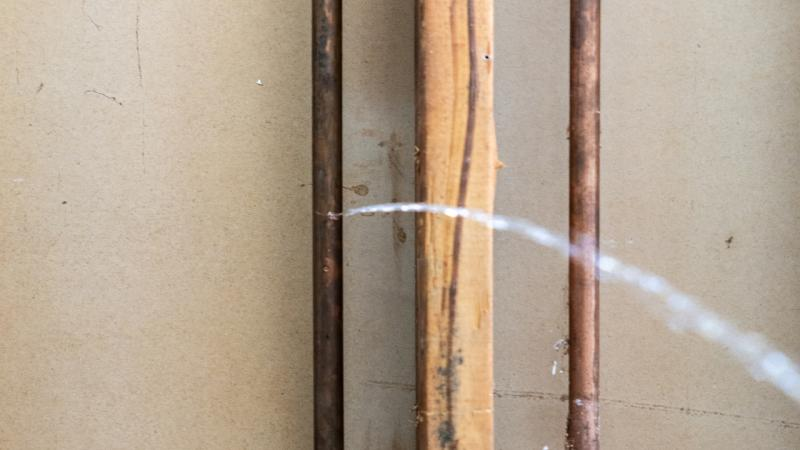
- Hidden Leaks: Leaks in walls or under slabs can go unnoticed until they cause significant damage. Signs of hidden leaks include water stains, mold growth, and increased water bills.
- Sewer Line Issues: Problems such as tree root intrusion, clogs, and breaks in the sewer line can lead to serious complications during the inspection process.
Addressing these issues early can prevent delays and complications during the sale process. For homeowners in Sand Springs, seeking professional plumbing services can ensure these problems are identified and resolved efficiently.
How Do Aging Pipes Like Galvanized and Polybutylene Cause Problems?
Aging pipes, particularly those made from galvanized steel and polybutylene, can lead to several issues. Galvanized pipes are prone to corrosion, which can result in rust and sediment buildup, affecting water quality and flow. Polybutylene pipes, on the other hand, are known for their susceptibility to degradation from exposure to oxidants in water, which can cause them to become brittle and prone to leaks or bursts over time. Both types of pipes can significantly impact a home’s plumbing system, necessitating costly repairs or replacements. Homeowners should consider replacing these aging pipes with more durable materials like PEX or copper to avoid future problems.
What Signs Indicate Hidden Leaks in Slab or Wall Areas?
Identifying hidden leaks early can save homeowners from extensive damage and repair costs. Common signs of hidden leaks include:
- Water Stains: Discoloration on walls or ceilings can indicate moisture buildup from a leak.
- Mold Growth: The presence of mold or mildew is a strong indicator of excess moisture, often due to hidden leaks.
- Increased Water Bills: A sudden spike in water bills without a corresponding increase in usage can suggest a leak in the plumbing system.
Homeowners should be vigilant for these signs and consider professional leak detection services to identify and address hidden leaks promptly.
How Can a Pre-Listing Plumbing Inspection Prevent Sale Delays?
A pre-listing plumbing inspection can be a valuable tool for homeowners looking to sell their property. By identifying potential plumbing issues before listing, sellers can address them proactively, ensuring a smoother sales process.
- Identifying Issues Early: A comprehensive plumbing inspection can uncover hidden problems that may not be visible during a casual walkthrough. This allows sellers to make necessary repairs before potential buyers become involved.
- Improving Buyer Confidence: Providing documentation of a recent plumbing inspection can reassure buyers that the home has been well-maintained, potentially leading to quicker offers and fewer negotiations.
Green Country Plumbing offers thorough plumbing inspections that can help sellers identify and resolve issues before listing their homes.
What Does a Comprehensive Plumbing Inspection Include?
A comprehensive plumbing inspection typically covers several key areas:
- Pipe Condition: Inspectors assess the condition of all visible pipes, looking for signs of corrosion, leaks, or damage.
- Leak Detection: Advanced leak detection methods, such as thermal imaging and moisture meters, are used to identify hidden leaks.
- Water Heater Evaluation: The inspection includes checking the water heater for age, efficiency, and any signs of leaks or corrosion.
By understanding what a plumbing inspection entails, homeowners can better prepare for the selling process.
How Does Leak Detection and Sewer Camera Inspection Work?
Leak detection and sewer camera inspections are essential tools in identifying plumbing issues.
- Leak Detection: This process involves using specialized equipment to locate leaks without invasive measures. Techniques may include acoustic listening devices and thermal imaging cameras.
- Sewer Camera Inspection: A small camera is inserted into the sewer line to provide a visual inspection of the pipe’s interior. This method allows plumbers to identify blockages, breaks, or tree root intrusions without excavation.
These advanced techniques provide valuable insights into a home’s plumbing system, helping homeowners address issues before they become significant problems.
What Is the Cost and Process of Whole House Repiping in Sand Springs?
Whole house repiping is a significant undertaking that can enhance a home’s plumbing system. Understanding the costs and processes involved can help homeowners make informed decisions.
- Cost Factors: The cost of repiping can vary based on several factors, including the size of the home, the type of materials used, and the complexity of the plumbing system. On average, homeowners can expect to pay between $4,000 and $15,000 for a complete repipe, with prices varying depending on local labor rates and material choices.
- Process Overview: The repiping process typically involves removing old pipes and replacing them with new materials, such as PEX or copper. This process can take several days, depending on the home’s size and the extent of the work required.
Investing in a whole house repipe can significantly improve water quality and reduce the risk of future plumbing issues.
How Do Pipe Materials Like PEX, Copper, and Galvanized Affect Repiping Costs?
| Pipe Material | Cost per Linear Foot | Durability | Common Issues |
|---|---|---|---|
| PEX | $0.50 – $2.00 | High | Fewer leaks, flexible |
| Copper | $2.00 – $4.00 | Very High | Corrosion possible, higher cost |
| Galvanized | $1.00 – $3.00 | Moderate | Rust and leaks, often replaced |
PEX is often the most cost-effective option due to its flexibility and resistance to corrosion, while copper is known for its durability but comes at a higher price. Galvanized pipes, while cheaper initially, are generally considered outdated and prone to corrosion, often necessitating replacement.
What Are Financing Options and Benefits of Repiping Before Selling?
Homeowners considering repiping before selling may explore various financing options to manage costs effectively.
- Home Equity Loans: These loans allow homeowners to borrow against their home’s equity, providing funds for necessary repairs.
- Personal Loans: Unsecured personal loans can also be an option for financing repiping projects, though they may come with higher interest rates.
- Increased Home Value: Investing in repiping can enhance a home’s value, making it more attractive to potential buyers and potentially leading to a higher sale price.
By understanding financing options, homeowners can make informed decisions about investing in their plumbing systems.
How Do Sewer Line Issues Impact Home Sales in the Tulsa Metro Area?

Sewer line issues can significantly affect home sales, particularly in areas like the Tulsa Metro. Understanding these impacts can help sellers navigate potential challenges.
- Common Sewer Problems: Home inspectors often find issues such as clogs, breaks, and tree root intrusions during inspections. These problems can lead to costly repairs and may deter potential buyers.
- Impact on Sale Negotiations: If sewer line issues are discovered during an inspection, buyers may request repairs or negotiate a lower sale price, impacting the seller’s bottom line.
Addressing sewer line issues before listing can help sellers avoid complications during the sales process.
What Are Common Sewer Problems That Home Inspectors Find?
Home inspectors frequently encounter several common sewer problems, including:
- Clogs: Blockages caused by debris, grease, or tree roots can lead to backups and require professional cleaning.
- Tree Root Intrusion: Roots can penetrate sewer lines, causing breaks and blockages that necessitate repair.
- Pipe Breaks: Deterioration or damage to sewer pipes can lead to leaks and require immediate attention.
By understanding these common issues, homeowners can take proactive steps to address them before listing their homes.
How Does Trenchless Sewer Repair Compare to Traditional Methods?
Trenchless sewer repair offers a modern alternative to traditional methods, providing several advantages.
- Cost-Effectiveness: Trenchless methods often require less excavation, reducing labor costs and minimizing damage to landscaping.
- Time Efficiency: Repairs can typically be completed in a fraction of the time compared to traditional methods, allowing homeowners to avoid prolonged disruptions.
- Less Invasive: Trenchless repair techniques minimize the impact on the property, preserving existing structures and landscaping.
For homeowners facing sewer line issues, considering trenchless repair options can provide a more efficient and cost-effective solution.
What Water Heater Problems Can Cause Home Inspection Failures?
Water heater issues can lead to significant problems during home inspections, potentially jeopardizing a sale. Understanding these issues can help homeowners prepare.
- Age and Condition: Older water heaters may not meet current efficiency standards and can be prone to leaks or failures.
- Sediment Buildup: Over time, sediment can accumulate in the tank, reducing efficiency and leading to potential failures.
Addressing these issues before listing can help ensure a smoother inspection process.
How Does Water Heater Age and Sediment Affect Performance?
The age of a water heater plays a crucial role in its performance.
- Efficiency Loss: As water heaters age, their efficiency typically decreases, leading to higher energy bills and inconsistent hot water supply.
- Maintenance Needs: Regular maintenance, including flushing the tank to remove sediment buildup, can help prolong the life of the unit and maintain optimal performance.
Homeowners should consider replacing older units or investing in regular maintenance to avoid inspection failures.
When Should You Repair or Replace Your Water Heater Before Selling?
Deciding whether to repair or replace a water heater can be challenging.
- Signs of Failure: Homeowners should consider replacement if they notice leaks, inconsistent heating, or if the unit is over 10-15 years old.
- Cost Considerations: Weighing the cost of repairs against the potential benefits of a new unit can help homeowners make informed decisions.
Investing in a new water heater can enhance a home’s appeal and prevent potential inspection issues.
Why Is Addressing Hidden Plumbing Problems Important for a Smooth Home Sale?
Addressing hidden plumbing problems is crucial for ensuring a smooth home sale.
- Impact on Sale Price: Homes with unresolved plumbing issues may sell for less than their market value, as buyers factor in repair costs.
- Buyer Confidence: A well-maintained plumbing system can enhance buyer confidence, leading to quicker offers and fewer negotiations.
By proactively addressing plumbing issues, homeowners can improve their chances of a successful sale.
How Do Plumbing Repairs Increase Home Value and Buyer Confidence?
Investing in plumbing repairs can significantly enhance a home’s value.
- Increased Marketability: Homes with updated plumbing systems are more attractive to buyers, leading to quicker sales.
- Enhanced Buyer Confidence: Providing documentation of recent repairs can reassure buyers, making them more likely to proceed with an offer.
Homeowners should consider the long-term benefits of addressing plumbing issues before listing their homes.
What Are the Risks of Ignoring Plumbing Issues During a Sale?
Ignoring plumbing issues can lead to several risks for sellers.
- Sale Delays: Unresolved plumbing problems can cause delays in the sales process, as buyers may request repairs or renegotiate offers.
- Price Negotiations: Buyers may use plumbing issues as leverage to negotiate lower prices, impacting the seller’s bottom line.
By addressing plumbing issues proactively, homeowners can mitigate these risks and ensure a smoother sales process.