Sarah

Sarah is the creative force behind Green Country Plumbing’s brand strategy, content creation, and customer communication. With 5 years of industry experience, she blends practical plumbing knowledge with sharp marketing skills—writing blog posts, running campaigns, and crafting messaging that actually connects. As both a plumbing apprentice and office admin, she brings a grounded, real-world perspective to everything she creates. Outside of the office, she’s a wife, mom of two teens, and a fitness instructor who brings serious energy to every class she teaches. Whether she’s building brand trust or breaking a sweat, Sarah is all-in. Her work fuels the voice of Green Country Plumbing across Sand Springs, Tulsa, and beyond—making her a key part of what keeps this team moving forward.

whole home repipe Tulsa OK Green Country Plumbing

Whole House Repipe Tulsa – Expert Plumbing Services and Cost Guide

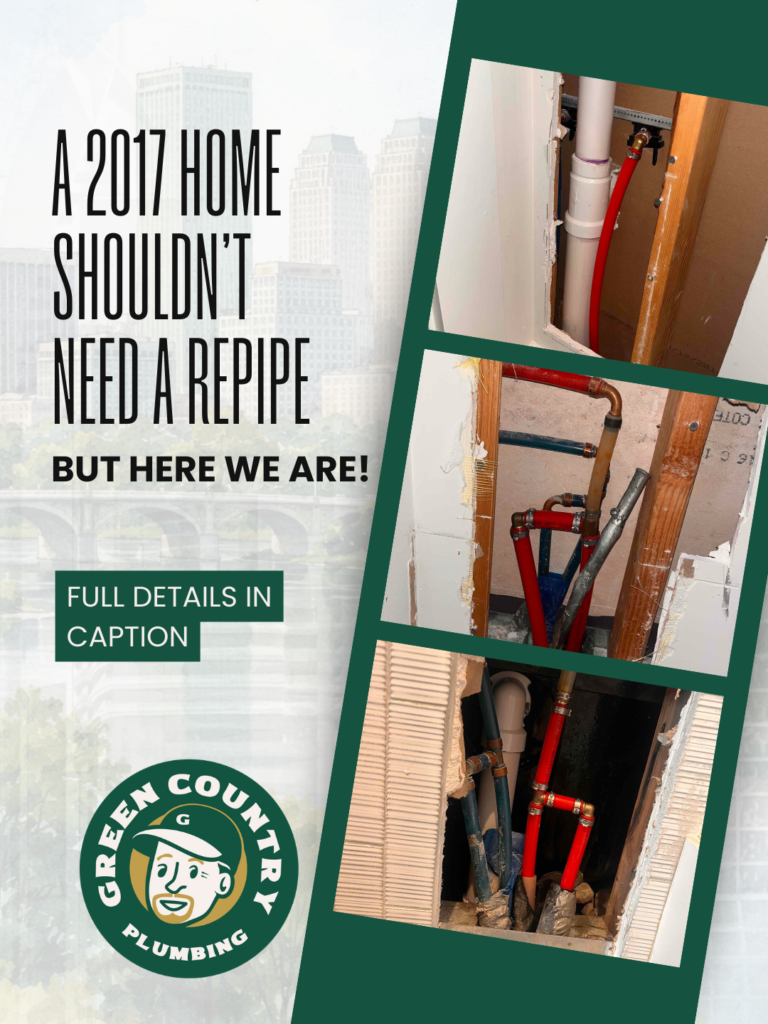
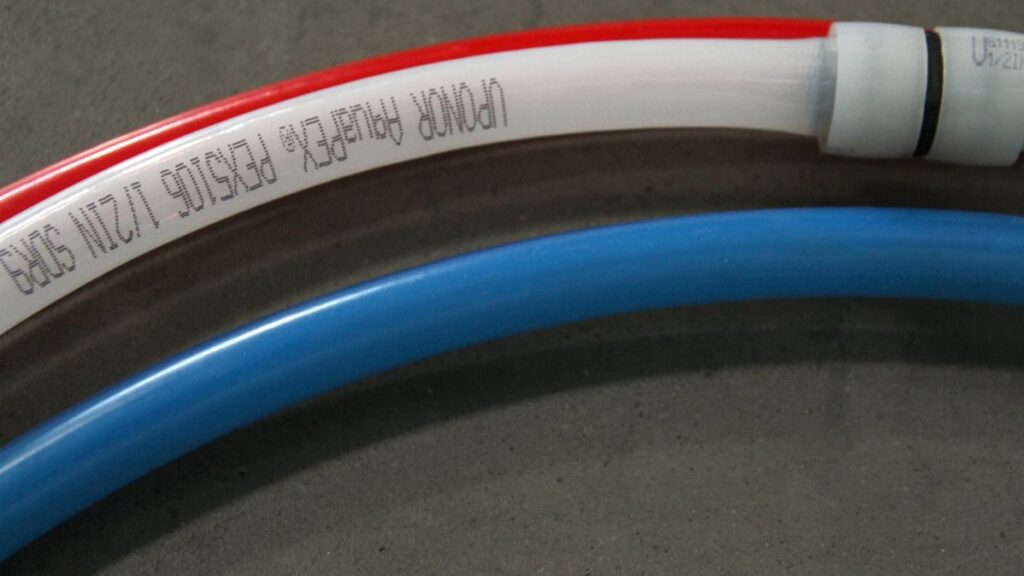
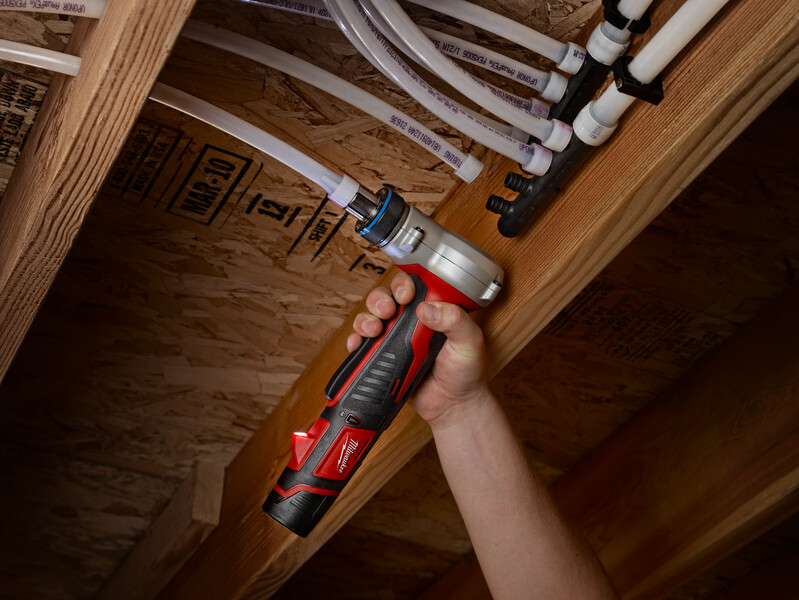
Whole House Repipe Tulsa – Expert Plumbing Services and Cost Guide A whole house repipe is a significant home improvement project that involves replacing old, damaged, or corroded plumbing pipes with new ones. This process is essential for maintaining the integrity of your plumbing system and ensuring clean, safe water flow throughout your home. In this guide, we will explore the importance of repiping, the signs that indicate you may need a repipe, and the benefits of upgrading your plumbing system. Additionally, we will provide insights into the repiping process and the costs associated with it, specifically focusing on the services offered by Green Country Plumbing in Tulsa. Understanding the repiping process can help homeowners make informed decisions about their plumbing needs. This article will cover the signs that indicate a need for repiping, the steps involved in the process, the benefits of upgrading your plumbing system, and the costs associated with a whole house repipe in Tulsa. Why Choose Green Country Plumbing for Your Tulsa Repipe? When it comes to repiping services in Tulsa, Green Country Plumbing stands out for several reasons. Their commitment to quality and customer satisfaction has made them a trusted plumbing contractor in the area since 1997. What Experience and Credentials Do Our Licensed Plumbers Have? Green Country Plumbing employs licensed plumbers with extensive experience in the field. Their team is well-trained and knowledgeable about the latest plumbing technologies and techniques. With years of hands-on experience, they have successfully completed numerous repiping projects, ensuring that each job meets the highest standards of quality and safety. Customer testimonials highlight their professionalism and dedication to providing excellent service. How Does Our Transparent Pricing Ensure No Hidden Fees? One of the key aspects of Green Country Plumbing’s service is their transparent pricing model. They provide detailed estimates before starting any work, ensuring that homeowners understand the costs involved. This approach eliminates any surprises, as there are no hidden fees. Customers can trust that they will receive a fair and honest assessment of the costs associated with their repiping project. What Are the Signs You Need a Whole House Repipe in Tulsa? Recognizing the signs that indicate a need for a whole house repipe is crucial for homeowners. Addressing plumbing issues early can prevent more significant problems down the line. How Does Low Water Pressure Indicate Plumbing Issues? Low water pressure is often a sign of underlying plumbing issues. It can result from corroded pipes, blockages, or leaks within the plumbing system. Homeowners may notice a significant decrease in water flow when using faucets or showerheads, which can be frustrating and inconvenient. If low water pressure persists, it may be time to consider a repipe. What Are the Effects of Discolored or Rusty Water? Discolored or rusty water is another clear indicator that your plumbing system may need attention. This issue often arises from corroded pipes, which can leach rust and other contaminants into the water supply. Consuming or using discolored water can pose health risks, making it essential to address this problem promptly. A whole house repipe can restore clean and safe water flow. How Does the Repiping Process Work with Green Country Plumbing? Understanding the repiping process can help homeowners feel more comfortable with the project. Green Country Plumbing follows a systematic approach to ensure a smooth and efficient repiping experience. What Are the Steps in the Initial Consultation and Inspection? The repiping process begins with an initial consultation and inspection. During this phase, a licensed plumber will assess the current plumbing system, identify any issues, and discuss the homeowner’s needs and preferences. This assessment is crucial for determining the best course of action and providing an accurate estimate for the project. PEX vs. Copper: Which Pipe Material Is Best for Tulsa Homes? When it comes to choosing pipe materials for repiping, homeowners often consider PEX and copper. PEX (cross-linked polyethylene) is a flexible, durable option that is resistant to corrosion and scale buildup. It is also easier to install, which can reduce labor costs. On the other hand, copper pipes are known for their longevity and reliability. However, they can be more expensive and may require more labor-intensive installation. Homeowners should weigh the pros and cons of each material based on their specific needs and budget. What Are the Benefits of Upgrading to a New Plumbing System? Upgrading to a new plumbing system through repiping offers numerous benefits that can enhance the overall quality of life in your home. How Does Repiping Improve Water Quality and Pressure? Repiping significantly improves water quality and pressure by replacing old, corroded pipes with new ones. This upgrade eliminates contaminants that may have leached into the water supply and ensures a consistent flow of clean water. Homeowners can enjoy better-tasting water and improved pressure for showers, faucets, and appliances. In What Ways Does Repiping Enhance Home Value and Safety? A new plumbing system can enhance the value of a home, making it more attractive to potential buyers. Additionally, repiping reduces the risk of leaks and water damage, which can lead to costly repairs. By investing in a whole house repipe, homeowners not only improve their living conditions but also protect their property value. How Much Does a Whole House Repipe Cost in Tulsa? Understanding the costs associated with a whole house repipe is essential for budgeting and planning. What Factors Influence the Cost of Repiping? Several factors influence the cost of repiping, including the size of the home, the type of materials used, and the complexity of the plumbing system. Larger homes may require more materials and labor, increasing the overall cost. Additionally, choosing high-quality materials can impact the price, but it often leads to better long-term results. Are Financing Options Available for Tulsa Repiping Projects? Green Country Plumbing offers financing options to help homeowners manage the costs of repiping projects. These options can make it easier for homeowners to invest in necessary plumbing upgrades without straining their budgets. By discussing financing plans with the team, homeowners can find

Whole House Repipe Tulsa – Expert Plumbing Services and Cost Guide Read More »

Home repipe Tulsa OK

Home Repipe Tulsa: Comprehensive Guide to Whole House Repiping and Cost-Effective Solutions

Home Repipe Tulsa: Comprehensive Guide to Whole House Repiping and Cost-Effective Solutions Homeowners in Tulsa often face plumbing challenges that can lead to significant issues if not addressed promptly. This comprehensive guide explores the essential aspects of home repiping, focusing on the signs that indicate a need for repiping, the benefits of whole house repiping, and the comparison between different piping materials. Understanding these elements can help homeowners make informed decisions about their plumbing systems. Many residents struggle with outdated plumbing that can lead to leaks, low water pressure, and water discoloration. Whole house repiping offers a solution that not only resolves these issues but also enhances the overall value and functionality of the home. This article will cover the signs indicating a need for repiping, the benefits of repiping, a comparison of PEX and copper materials, the repiping process with Green Country Plumbing, cost considerations, and why choosing Green Country Plumbing is a smart decision. What Are the Signs You Need a Home Repipe in Tulsa? Identifying the signs that your home requires repiping is crucial for maintaining a safe and functional plumbing system. Common indicators include low water pressure, discolored water, and frequent leaks. These issues often stem from aging pipes that can no longer effectively transport water, leading to potential health risks and property damage. Homeowners should be vigilant about these signs to prevent further complications. How Do Low Water Pressure and Discolored Water Indicate Pipe Issues? Low water pressure can be a frustrating experience for homeowners, often indicating underlying plumbing problems. This issue may arise from mineral buildup, corrosion, or leaks within the pipes. Discolored water, on the other hand, is a clear sign of rust or sediment in the water supply, often resulting from aging galvanized or iron pipes. Both symptoms suggest that the plumbing system is deteriorating and may require immediate attention to avoid more severe issues. What Are Common Leak and Corrosion Problems in Older Tulsa Homes? Older homes in Tulsa frequently experience leaks and corrosion due to outdated plumbing materials. Common types of leaks include pinhole leaks, which can occur in copper pipes, and larger leaks in galvanized pipes that have corroded over time. Corrosion not only leads to water loss but can also compromise the structural integrity of the plumbing system, resulting in costly repairs. Homeowners should consider a repipe if they notice these issues, as they can lead to significant water damage and increased utility bills. What Are the Benefits of Whole House Repiping for Tulsa Homeowners? Whole house repiping offers numerous advantages for homeowners, including improved water quality, increased home value, and enhanced plumbing longevity. By replacing old, deteriorating pipes with new materials, homeowners can enjoy a more reliable plumbing system that meets modern standards. How Does Repiping Improve Water Quality and Pressure? Repiping significantly enhances water quality by eliminating rust, sediment, and contaminants that may have accumulated in older pipes. This improvement leads to clearer, cleaner water that is safer for consumption. Additionally, new piping materials, such as PEX or copper, can improve water pressure, providing a more satisfying experience for homeowners when using faucets and showers. In What Ways Does Repiping Enhance Home Value and Plumbing Longevity? Investing in a whole house repipe can substantially increase a home’s market value. Prospective buyers often view updated plumbing as a major selling point, reducing the likelihood of future plumbing issues. Furthermore, new pipes are designed to last for decades, providing homeowners with peace of mind and reducing the need for frequent repairs. PEX vs. Copper Repipe Tulsa: Which Material Is Best for Your Home? When considering different piping materials, it’s helpful to understand the broader context of material substitution and its implications for plumbing systems. PEX, Copper, & Steel Pipe Material Substitution The study serves as an initial step in developing benchmarks and impact reduction strategies for MEP systems. It considers the material substitution from standard practice to PEX pipe throughout (Radiant: PEX in slab, copper and steel elsewhere; VAV: steel and copper) and for both typical single-riser pipe layout and multi-riser layout for both HVAC system types. Material Selection and System Layout to Lower Embodied Carbon of Pipe in an Office Building, M Roberts, 2016 Material Advantages Disadvantages PEX Flexible, resistant to scale and chlorine, lower installation costs Not suitable for prolonged outdoor exposure, potential for UV damage Copper Durable, long-lasting, resistant to bacteria Higher material costs, requires soldering for installation What Are the Advantages and Disadvantages of PEX Piping? PEX piping is increasingly popular due to its flexibility and resistance to scale and chlorine. This material is easier to install, often resulting in lower labor costs. However, PEX is not suitable for prolonged outdoor exposure as it can be damaged by UV rays, which limits its application in certain situations. However, it’s important to be aware of potential material interactions, as some studies highlight specific challenges with certain PEX types and brass fittings. PEX-AL-PEX & Brass Fitting Failures in Plumbing KITEC later produced a PEX sandwich with a layer of aluminum inside (PEX-AL-PEX or PE-AL-PE). In PEX installations, when water flows through the brass (brass is a copper-zinc alloy), there is a leaching of zinc from brass fittings. Plumbing/Piping/Tubing Failures, 2021 Further research also indicates that PEX pipes can experience degradation when exposed to corrosion from upstream metal components like copper and brass. PEX Pipe Degradation from Copper & Brass Corrosion ATR-FTIR analysis showed that at 55 C, PEX pipes connected to copper and brass resulted in the highest amount of metals deposited on the PEX pipe surfaces. Corrosion of upstream metal plumbing components impact downstream PEX pipe surface deposits and degradation, X Huang, 2019 How Does Copper Piping Compare in Durability and Cost? Copper piping is renowned for its durability and long lifespan, making it a traditional choice for plumbing systems. While the initial cost of copper is higher than PEX, its longevity can justify the investment. Copper is also resistant to bacteria, ensuring a safer water supply. However, the installation process can be more

Home Repipe Tulsa: Comprehensive Guide to Whole House Repiping and Cost-Effective Solutions Read More »

Schedule plumbing Home maintenance and Other End-of-Year checklist items

That strange week between Christmas and New Year’s? It’s not dead time. It’s decision time. While most people coast through these days in a foggy haze of leftovers and Netflix, you have a different opportunity. Not to work yourself to death, but to create breathing room for everything that’s coming. Think of it as clearing the deck before the ship leaves port. You’re not rebuilding your entire life in five days. You’re removing the friction that’s been quietly slowing you down. Why an end-of-year checklist Your inbox is quieter. Slack has stopped pinging every twelve seconds. Your brain finally has enough space to notice all the half-finished tasks you’ve been mentally stepping over for months. This is your chance to close loops, clean systems, and make 2026 feel lighter from day one. Here’s how to do it without turning your holiday week into a productivity death march. 1. Close Loops and free mental space You know exactly which tasks I’m talking about. The ones that make you feel a tiny pang of guilt every time they cross your mind. The email you need to send. The form you need to submit. The decision you keep postponing. Open loops cost you more than time. They cost you focus. Your nervous system treats each unfinished task like a browser tab running in the background, quietly draining your battery. Here’s what to do: Make a “Fast Closure” list of 10-20 items you’ve been avoiding. Keep it simple. Start with anything that takes less than 15 minutes. Then batch similar actions together. Send all the quick emails in one sitting. Make those two phone calls back-to-back. Submit the forms. File the documents. For anything that’s not getting done, make a clean decision: delete it, delegate it, or schedule it with an actual date. The pro move: If something has been sitting on your list for months, ask yourself: “What’s the smallest possible next action?” Then do only that. Sometimes the hardest part is just starting. 2. Clean Up Your Digital Life Your phone and laptop aren’t just tools anymore. They’re entire ecosystems, and right now, they probably look like a teenager’s bedroom. Your Camera Roll has too many photos you don’t need Scroll through it right now. You’ll find fourteen versions of the same photo, sixty-three screenshots you meant to “reference later,” and at least one accidental picture of your ceiling. I promise. Clear it out: Delete the duplicates, the blurry shots, the accidental videos of your pocket. Create one album called “2025 Wins” and save only the highlights: finished projects, key milestones, moments that mattered. Move important receipts and screenshots to where they actually belong (Drive, Dropbox, Notion, whatever system you actually use). Back everything up to the cloud. Amazon Photos works great if you have Prime. Your phone shouldn’t be your memory vault. Your Inbox Needs breathing room Inbox zero isn’t a personality trait. It’s just a system. And you don’t even need zero, you just need “nothing hiding.” Here’s the quick version: Unsubscribe from anything that doesn’t actively support your goals, your curiosity, or your joy. Be ruthless. Archive everything that’s just sitting there making you feel vaguely guilty. Convert actionable emails into tasks and put them where tasks actually belong (your task manager, not your brain). Create three simple folders: Action, Waiting, Reference. That’s it. Pro move: Search your inbox for these four words: “unsubscribe,” “trial,” “invoice,” “meeting.” Those searches alone usually cut your clutter in half. 3. Check Your Financial Plumbing This is the unsexy stuff that high performers do anyway, because you didn’t get where you are by ignoring the scoreboard. Use What You’re Already Paying For Pull up your credit card benefits. You’d be surprised how many free statement credits expire unused every year. Check for travel credits, shopping credits, lounge access, and subscription reimbursements. If you’re paying for it, use it. Cancel What’s Not Serving You Look at your last two credit card statements and highlight every recurring charge. Then ask yourself: “Would I buy this again today?” If the answer is no, cancel it. You’re not being prepared by keeping subscriptions you don’t use. You’re just funding clutter. Set Your Retirement Contributions This is one of those grown-up tasks that can quietly change your future more than your next marketing campaign. Check where you landed for 2025 with your IRA and 401(k). Make final adjustments if you still can. Then set your 2026 targets now so they run automatically in the background. 4. Update Your Professional Presence Even if you’re not job hunting, your reputation matters. Your digital presence is working for you whether you’re paying attention or not. Refresh Your LinkedIn People check it even if you never post. Make sure it represents where you are now, not where you were three years ago. Update your headline to clearly state what you do and who you help. Add a few keywords your ideal opportunities would search for. Update your About section with outcomes, not just duties. Add a few wins from 2025, with numbers if you can. Update Your Resume Not because you’re leaving, but because you’re smart. Future you will thank present you. Add your 2025 accomplishments while they’re still fresh. Keep a “Master Resume” with everything, then you can tailor it in minutes when you need it. Pro move: Write yourself a quick “Brag Doc” with your top ten wins, biggest lesson, hardest thing you handled well, and any metrics that prove growth. That document becomes fuel for content, interviews, annual reviews, and confidence on your worst days. 5. Book Your Health Appointments Now If you wait until spring, you’ll get whatever time slots are left, which usually means Tuesday at 2:10 PM wedged between school pickup and your sanity. Book your dentist, doctor, vision appointments, and annual screenings now. Pick times that actually work with your real life. Schedule recurring appointments for the entire year. Front-load anything that impacts your energy, sleep, focus, or pain levels. Here’s the truth: If

Schedule plumbing Home maintenance and Other End-of-Year checklist items Read More »

Winter Survival Guide for 2026 with No Frozen Pipes in Tulsa and Sand Springs

Winter in northeastern Oklahoma brings a real risk of frozen and burst pipes that can disrupt daily life and cause costly water damage. This guide explains why pipes freeze, how freezing leads to bursts and water loss, and what Tulsa and Sand Springs homeowners can do now to prevent winter plumbing emergencies. You will learn local temperature thresholds, prioritized prevention steps like pipe insulation and outdoor faucet winterization, safe thawing methods, vacation preparation protocols, and a practical winter plumbing checklist tailored to area conditions. The article also covers when to handle problems yourself and when to escalate to professional emergency frozen pipe repair, highlighting how local expertise complements homeowner actions. Read on for step-by-step prevention, clear emergency actions, downloadable-style checklist components, and concise service information relevant to Tulsa and Sand Springs homeowners preparing plumbing systems for the 2026 winter season. What Causes Pipes to Freeze and How Does It Affect Your Home? Pipes freeze when water inside them drops below freezing and expands, applying internal pressure that can crack pipes or burst fittings; ice formation can also block flow and create pressure differentials that push water toward weak joints. The mechanism is physical expansion and localized pressure increases, which produce the primary damage risk: ruptures and subsequent water leaks that often reveal themselves after a thaw. Local factors such as exterior wall exposure, uninsulated crawlspaces, and cold drafts accelerate freezing even when ambient temperatures hover just above 32°F, increasing the chance of localized freeze points. Understanding these causes helps prioritize targeted interventions on the most vulnerable pipe segments, which leads us to local temperature behavior and early warning signs to watch for. At What Temperature Do Pipes Typically Freeze in Tulsa and Sand Springs? Freezing can occur below 32°F, but exposed pipes often freeze at higher ambient temperatures because wind chill and rapid heat loss from poorly insulated walls accelerate cooling. In Tulsa and Sand Springs, overnight lows that dip into the 20s or repeated sub-freeze nights create the highest risk window; however, single-digit wind-driven cold snaps and sudden overnight drops are the most dangerous. Home construction details — such as pipes on exterior walls, uninsulated attics, and shallowly buried supply lines — make specific pipes freeze sooner than interior lines. Check vulnerable locations when forecasts predict consecutive nights below freezing, and use basic temperature-proofing steps outlined below to reduce freeze risk. What Are the Common Signs of Frozen and Burst Pipes? The most common early sign of a frozen pipe is a fixture with no or reduced flow, often first noticed at an outdoor faucet or in a bathroom on an exterior wall; subtle changes in pressure or sputtering faucets can precede complete freeze. Other indicators include frost or condensation on visible pipe exteriors, unusually cold sections of wall when touched, and strange knocking or gurgling noises as trapped water shifts; visible water stains or active drips signal that a fracture or burst has already occurred. Early detection lets you act before a rupture worsens; if you suspect freezing, begin safe thawing steps and limit water use while preparing for possible repairs. Prompt detection and measured action reduce the likelihood of large-scale water damage and costly repairs. The physical causes and early signs of freezing lead directly into prevention: the next section outlines essential homeowner steps to keep pipes warm and flowing through cold spells. What Are the Essential Steps to Prevent Frozen Pipes This Winter? Preventing frozen pipes requires a prioritized set of actions that reduce heat loss, remove standing water from exposed lines, and maintain interior temperatures in at-risk zones. The first line of defense is insulation on vulnerable pipes and sealing drafts where pipes pass through exterior walls; the second is preparing outdoor plumbing and irrigation systems by draining and protecting spigots and backflow components. Maintaining a conservative indoor thermostat setting during cold nights and using the drip method selectively for isolated vulnerable lines provide operational defenses during extreme cold. The steps below break these actions into practical, prioritized items that fit typical Tulsa and Sand Springs homes and help homeowners allocate effort where it provides the most protection. These prioritized steps guide action planning; the next subsection explains specific materials and methods for insulating pipes effectively. How Do You Properly Insulate Vulnerable Pipes? Proper insulation slows conductive heat loss and raises the local temperature around the pipe, reducing freeze risk; common options include foam pipe sleeves, fiberglass wrap, and electrical heat tape, each with different trade-offs for cost, ease, and thermal performance. Foam sleeves are inexpensive and simple for DIY use on straight runs; fiberglass wrap with foil helps in attics and irregular runs but requires careful sealing; heat tape or heat cable actively provides warmth but needs correct installation and a thermostat or thermostat-style controller to avoid overheating. Installation tips include measuring pipe diameter to choose the right sleeve, sealing joints with foil tape, and keeping insulation continuous through areas where the pipe passes through wall cavities. Effective insulation for common problem areas — basement rim joists, crawlspaces, and exterior-wall sinks — can prevent most freeze events when combined with interior temperature management. Before installing heat tape, homeowners should compare materials and use-case strengths summarized in the table below to choose the best option. Insulation Type R-Equivalent / Mechanism Ease of DIY Typical Cost Range Ideal Use-Case Foam Sleeve R-value moderate; reduces convective loss Very easy Low Straight runs in basements and accessible areas Fiberglass Wrap with Foil Adds reflective barrier and bulk insulation Moderate Moderate Attics, irregular runs, exterior walls Heat Tape / Heat Cable Active heating; prevents ice formation Requires careful installation Moderate to higher Long, exposed runs and recurrent freeze points This comparison highlights typical trade-offs so homeowners can prioritize affordable DIY measures first and reserve professional installation for electrically powered heat solutions. Choosing the right material supports a layered prevention approach that combines insulation with temperature control. How Should Outdoor Faucets and Sprinkler Systems Be Winterized? Outdoor plumbing presents predictable freeze points: external spigots, hose bibs, and sprinkler lines.

Winter Survival Guide for 2026 with No Frozen Pipes in Tulsa and Sand Springs Read More »

Sand Springs plumber supports Sand Springs community.

Why Local Involvement Matters: Spotlight on Sand Springs’ Most Trusted Plumber

Green Country Plumbing isn’t just fixing leaks — they’re strengthening the heart of Sand Springs. As a proud new member of the Sand Springs Chamber of Commerce, this locally owned plumbing company is showing what it means to serve with integrity, excellence, and community pride. Discover why so many homeowners consider them the most trusted plumber in Sand Springs.

Why Local Involvement Matters: Spotlight on Sand Springs’ Most Trusted Plumber Read More »

slab leak emergency repair plumber

Expert Slab Leak Detection & Repair: Warning Signs and Solutions for Tulsa Homeowners

If you’ve ever had that gut feeling that something’s “off” in your home’s plumbing—but couldn’t quite put your finger on it—you might be dealing with a hidden slab leak. And trust me, after more than 20 years crawling under houses, performing expert water leak detection, fixing leaks, and helping Tulsa homeowners avoid expensive damage, I can tell you: slab leaks don’t wait around politely. They get worse, fast, often requiring immediate slab leak repair. So, let’s talk about what a concrete slab leak actually is, the critical warning signs you should never ignore, and what to do if you think one might be hiding under your feet. Our team specializes in slab leak detection in Tulsa and provides comprehensive slab leak repair services. What Exactly Is an Under-Slab Leak? An under-slab leak, also known as a foundation leak or concrete slab leak, happens when a water line that runs underneath your home’s concrete foundation starts leaking. Think of your home sitting on a big concrete “slab.” All your plumbing lines—hot and cold—run underneath it. If one of those pipes cracks, corrodes, or shifts, water starts seeping into the ground (and sometimes right up into your floor). This type of plumbing leak detection requires specialized tools and expertise. These pipe leaks can start small—just a pinhole in a copper line—but because they’re hidden under solid concrete, they can go unnoticed for weeks or even months. During that time, they quietly erode soil, damage your foundation, and drive your water bill through the roof. This is why professional leak detection services are crucial. One homeowner I helped in Jenks had no visible water anywhere, but their monthly water bill doubled out of nowhere. Turned out they had a slow, steady hot-water line leak under the slab. The warm water had been heating their tile floor like an unwanted radiant system for weeks, highlighting the need for prompt slab leak detection. Why Slab Leaks Are a Big Deal and Require Professional Repair Unlike a leaky faucet, you can’t just tighten a nut or swap a washer to fix a slab leak. Because it’s beneath your foundation, the water doesn’t just waste away quietly—it weakens the ground supporting your home. This can lead to significant structural issues, making professional slab leak repair essential for foundation leak prevention. Over time, this can cause foundation cracks, uneven flooring, and even structural damage. I’ve seen homes in Sand Springs where a simple slab leak turned into a major foundation repair because it went undetected for too long. Our leak specialists are trained to prevent such outcomes. The good news? Catching it early with expert slab leak detection can save you thousands in potential underground leak repair and foundation costs. The Most Common Warning Signs of a Slab Leak If you notice any of these, don’t shrug them off. They’re your home’s way of saying, “Hey—something’s not right,” and you likely need expert leak detection. 1. Unexplained Increase in Your Water Bill If your water bill suddenly spikes but your usage hasn’t changed, that’s often the first red flag for a residential slab leak. You’re not filling a pool, you’re not running extra laundry—but that meter’s spinning like crazy. This is a classic sign requiring immediate water bill increase detection and investigation. A Tulsa homeowner I recently helped had a $200 water bill for two months in a row before calling us. We ran a pressure test and found a slab leak under their master bath. Once repaired, their bill dropped back to normal, thanks to our precise slab leak detection in Tulsa. 2. The Sound of Running Water (When Everything’s Off) If you hear a faint “whoosh” or “hiss” of water running inside walls or floors when no one’s using a tap, that’s a classic sign of a hidden leak. Here’s an easy test: Turn off everything that uses water—faucets, ice maker, washer, etc.—and listen closely near the floor. If you still hear running water, call a Tulsa plumber specializing in plumbing leak detection. That steady sound often means water is escaping somewhere unseen, indicating the need for leak detection services. 3. Warm or Damp Spots on Your Floor Have you ever stepped barefoot on your tile and thought, “That’s weird—why is that spot warm?” That’s not a cozy surprise; it’s usually a leaking hot-water line under the slab, a clear sign for slab leak detection. In some cases, you might even feel slight dampness in carpeted areas or see dark spots on flooring, pointing to a potential foundation leak. 4. Moldy or Musty Odors When water leaks under a slab, moisture doesn’t stay put. It seeps up, creating the perfect environment for mold and mildew. If your house starts smelling musty—or you notice persistent dampness near baseboards or closets—there’s a good chance that under-slab leak has been brewing for a while, requiring prompt leak repair services. 5. Low Water Pressure If your water pressure suddenly drops without any known cause, it could be that a portion of your supply line is leaking before it ever reaches your faucets. This is a common indicator for water leak detection. Sometimes this is a pressure regulator issue, but when paired with other signs—like warm floors or high bills—it points toward a concrete slab leak. 6. Foundation Cracks or Shifting Floors Water under the slab doesn’t just vanish—it erodes soil and compromises your foundation’s stability. You might notice cracks in your floors, doors that suddenly stick, or baseboards separating from walls. Those are symptoms of the ground shifting beneath your home, often due to an undetected foundation leak that needs slab leak repair. 7. Pooling Water Around the Exterior of Your Home If you consistently find puddles or damp soil along the outside edges of your foundation (especially during dry weather), it could mean water is escaping from underneath and finding its way out. This is a strong sign for immediate slab leak detection. What to Do if You Suspect a Slab Leak If any of these warning signs

Expert Slab Leak Detection & Repair: Warning Signs and Solutions for Tulsa Homeowners Read More »

Scroll to Top